OpEds
How the last three years will influence young Israeli voters

A 26-year-old lone soldier on reserve duty told me this week how he came to be serving in Gaza.
As a Jewish boy growing up in the United States, it was the kidnapping of Israeli soldier Gilad Shalit by Hamas in 2006 that left an imprint on his life, he said. He and his school friends wrote letters at the time to Israeli soldiers, thanking them for their service and wishing them well.
Almost two decades later, he found himself on the other side of that exchange. While serving, he received letters written by American Jewish youngsters to soldiers like him. One thanked him for risking his life for Israel.
There were tears in his eyes when he told me the story; there were tears in mine too.
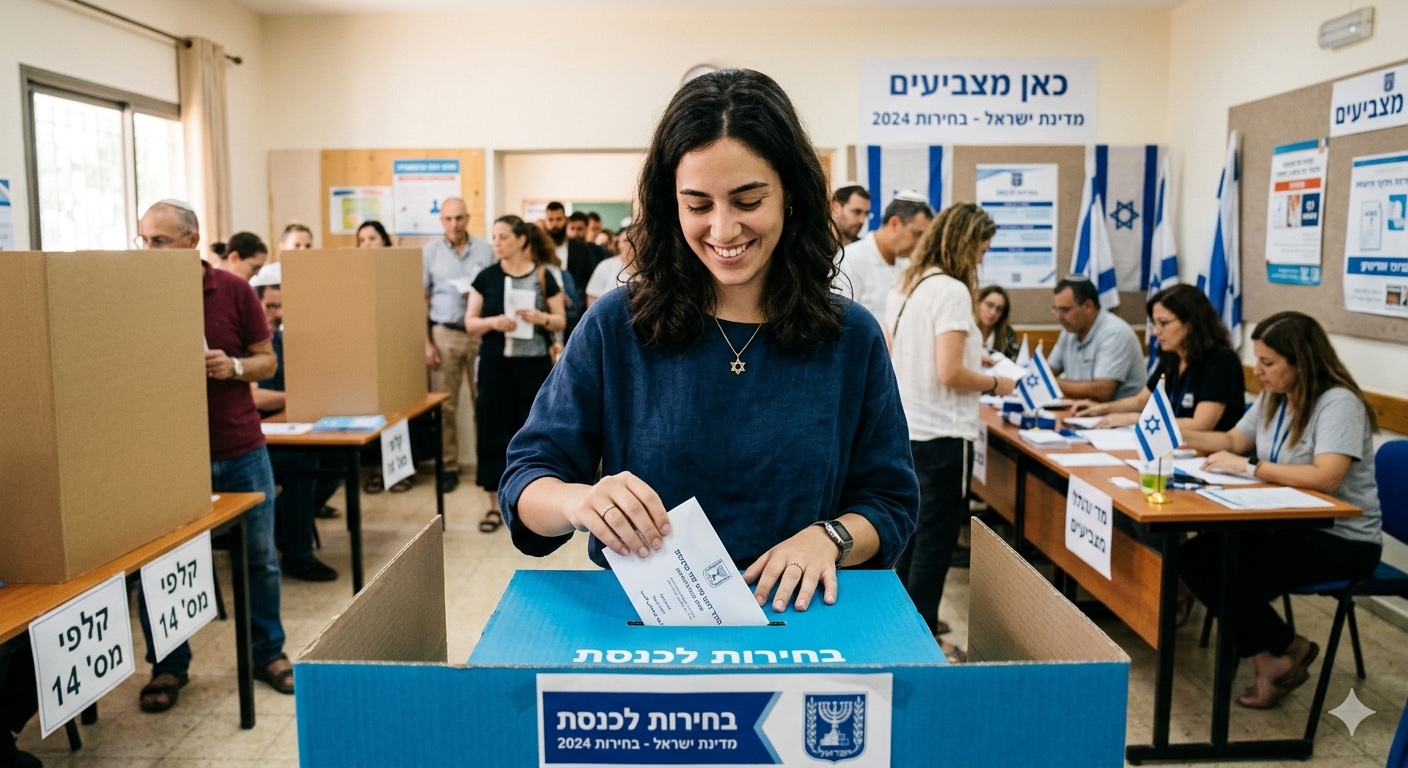
I have thought about him while trying to understand how Israel’s younger generation is likely to vote next month. Around 640 000 Israelis aged 18 to 22 are eligible to vote for the first time, according to Israel’s Central Bureau of Statistics, after almost three years in which 7 October, war, hostages, military service, and bereavement have shaped their lives.
Given what this generation has experienced, it is tempting to assume that the Hamas attack and the war that followed have pushed them decisively to the right, towards parties promising the toughest line on security.
But that explanation is too simple. Young Jewish Israelis were already moving right before 7 October. Academic research tracking Israeli attitudes over almost four decades found that, from the early 2000s onwards, younger Israeli Jews became increasingly more hawkish than older generations and more likely to identify with the right.
This isn’t a generation that grew up with the optimism surrounding the Oslo peace process. Its political memories were formed instead by the Second Intifada, rockets from Gaza, repeated rounds of fighting, and diminishing faith in a negotiated peace.
Then came 7 October.
The numbers bear out the broader rightward picture. In February, 75% of first-time voters surveyed by veteran pollster Midgam for Channel 12 identified as right-wing. Another survey the following month found 78% of 18- to 22-year-olds placing themselves on the right or centre-right. The polls asked the question differently, but the direction is difficult to miss.
So I don’t think the story of this election is simply that 7 October turned young Israelis into right-wing voters. Many were already there. The more interesting question is whether 7 October is changing what it means to be on the Israeli right.
A young Likud supporter I spoke with sees the shift in simpler terms. He says that after what Hamas did on 7 October, neither he nor his friends believe the old assumptions about peace. For them, National Security Minister Itamar Ben-Gvir’s appeal is precisely that he sounds uncompromising.
But another reservist I spoke to, who works closely with young Israelis preparing for military service, described something more complicated. While he too sees a generation deeply hawkish on security, many soldiers and reservists, he says, are furious with the government over the failures surrounding 7 October and the continuing military-service exemptions for ultra-Orthodox men.
Becoming more hawkish doesn’t necessarily mean becoming more supportive of Netanyahu. A young Israeli can move further right on security while moving away from the political leadership that was in power on 7 October.
Where young voters ultimately land is still unclear, but the choices now available to them illustrate how much the old political map is shifting.
Gadi Eisenkot is one example. The former Israel Defense Forces chief of staff, who joined Israel’s emergency war Cabinet after 7 October, now leads the centrist Yashar party. His 25-year-old son, Gal, died fighting in Gaza in December 2023, and two nephews have also been killed in the war. He has made universal military, national, or civil service central to his political platform.
Many of the young Israelis I spoke with said they’ll vote for Eisenkot, attracted by his security credentials, criticism of Netanyahu, and demand for accountability over 7 October. This doesn’t mean there is a youth surge towards Eisenkot, and polling doesn’t show one. But his recent rise among the electorate demonstrates that being hawkish on security and opposing Netanyahu are no longer necessarily contradictory positions.
There are new choices on the right too. Former Brigadier-General Ofer Winter launched his People of Israel party in late August, offering another explicitly hawkish alternative. Israel’s right has long been politically fragmented, but this election is producing new alternatives for voters who remain firmly hawkish while dissatisfied with the existing leadership. Increasingly, the argument is not simply between right and left, but over what kind of right should govern Israel after 7 October.
Young Israelis also appear determined to participate in the elections. An Israel Democracy Institute study in May found that 82% of first-time voters believed their vote could influence what happens in Israel. That doesn’t sound like an apathetic generation to me.
Which brings me back to the young soldier. He told me there was nowhere he’d rather have been during the war than in Gaza. Yet, after everything he’s been through, he isn’t entirely sure how he feels about Israel or whether he wants to live here. For now, he’s going back to America to get his head sorted out and decide what he wants to do with the rest of his life.
I suspect there is something of his generation in that contradiction. Young Israelis can be fiercely committed to Israel’s security and deeply disillusioned with those responsible for delivering it. They can believe 7 October destroyed old assumptions about Hamas and peace, while demanding accountability for how it was allowed to happen. They can move right without moving towards Netanyahu, or reject Netanyahu without moving left.
Perhaps that is what 7 October has changed. For this generation, being tough on security may no longer be enough. The politicians competing for their votes will also have to convince them they can keep Israel safe, take responsibility when they fail, and ask everyone to share the burden of defending it.
The question isn’t whether young Israelis are moving right. It is what they now expect the right to deliver.