





Featured Item
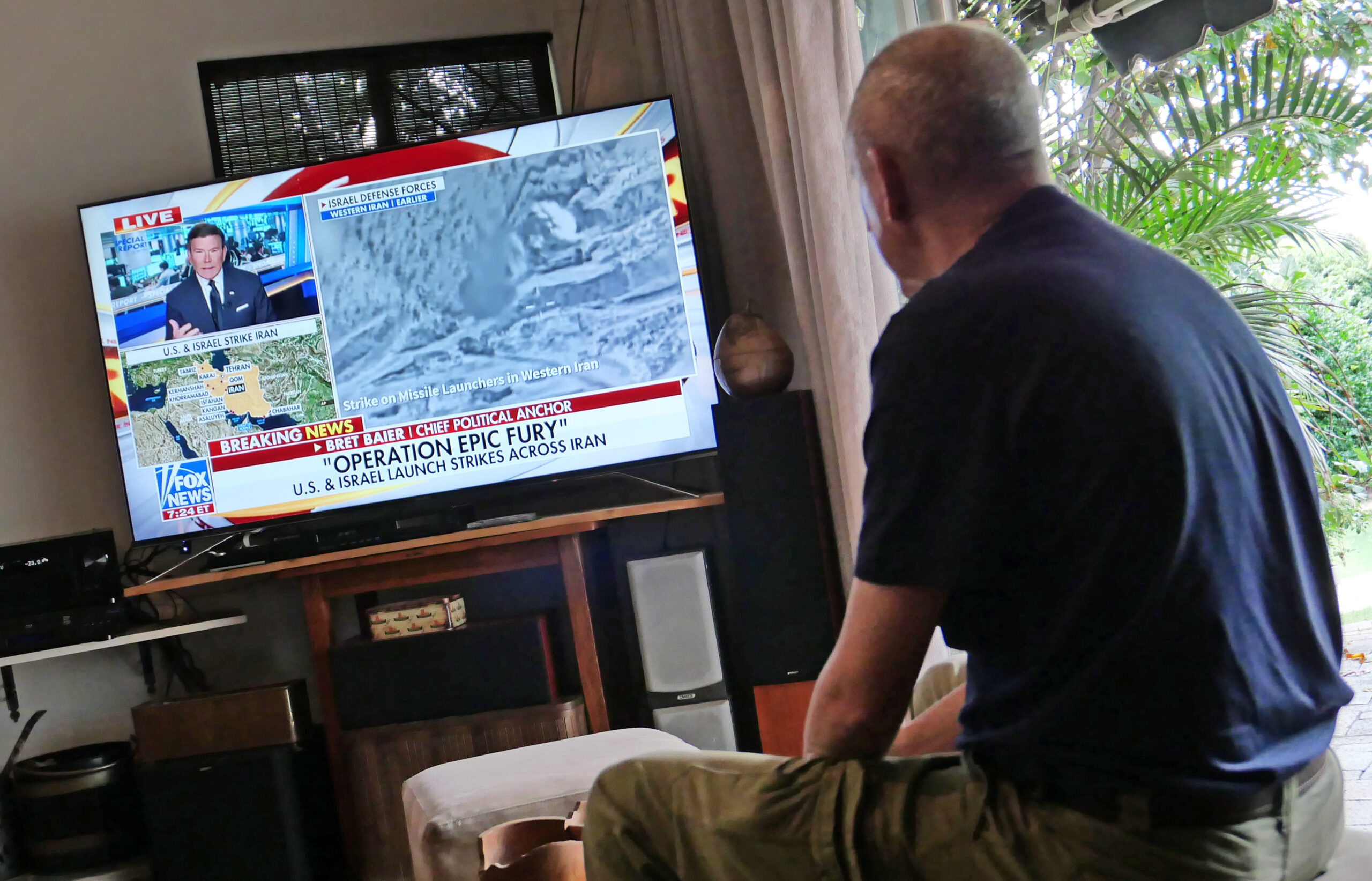
‘Our country has been held hostage for decades’: Iranian Jews in SA react to Israel-Iran war

“I and my family members in Iran are so grateful to the governments of Israel and America for helping Iran,” says Sarah*, an Iranian Jew now living in South Africa. “For more than 40 years my country has been held hostage.”
For Sarah, the war has heightened her anxiety about loved ones still living in Iran, while simultaneously reinforcing her belief that the regime in Tehran must come to an end.
She says communication with relatives in Iran has become increasingly difficult. “The regime attacks its own people,” she says. “They cut down any form of communication we have with our family in Iran.”
So as explosions rock Tehran, and the conflict with the US and Israel intensifies, Sarah and other Iranian Jews in South Africa are watching with a mixture of fear, relief, anger, and hope. For many in this small diaspora community, the war is not only a geopolitical crisis but a moment that could determine the future of the country they left behind.
Across conversations with ex-pat Iranian Jews, a common theme emerges. Many believe the conflict has exposed the deep divide between the Iranian regime and the Iranian people, and some see the current escalation as a potential turning point after more than four decades of Islamic rule.
Sarah says her greatest fear is not foreign attacks on Iran but the “satanic plans of the regime”.
For her and many others in the diaspora, the war has reopened long-standing wounds tied to the Iranian revolution of 1979, when the Islamic Republic came to power and many Jews and other minorities left the country.
Reza*, an Iranian Jew who has lived in South Africa since that year, says he’s built a life in a new country, but his emotional connection to Iran remains strong. “I have been in South Africa since 1979. I have a business here and have raised my children here,” he says.
Even after decades abroad, the situation in Iran continues to weigh heavily on him. “The Iranian people are suffering. The regime is evil; it’s bad for the whole world and not representative of the Iranian people.”
Reza describes Iran as a country that has been held back by its leadership. “The people at large are pleasant, welcoming, intelligent. It’s a wealthy country kept poor because resources are diverted away from citizens.”
Like many Iranians who left during the revolution, he says he still dreams of returning. “I want the regime to end and things to go back to how they were before the revolution,” he says. “I have enjoyed my life in South Africa, but I yearn to go home.”
Members of the Iranian Jewish community say the distinction between the Iranian people and the Iranian government is important, particularly at a time when tensions between Iran and Israel dominate international headlines. Several emphasise that many Iranians have no hostility towards Israel or Jews, and that the government’s rhetoric does not necessarily reflect the views of ordinary citizens.
For some Iranian Jews living abroad, the war has also sparked debate about what Iran’s future leadership might look like if the current regime were to collapse.
Shervin Ghorbany, another Iranian Jew living in South Africa, says many Iranians are focused first on ending the current system of government, even though opinions differ on what should replace it. “It’s complicated,” he says. “It’s not an easy situation to fix.”
Discussions about Iran’s future often centre on whether the country might return to some form of monarchy, with supporters of the exiled royal family advocating for the son of the last Shah to play a role in a transitional government. At the same time, many Iranians remain wary of new political structures emerging during a period of instability and conflict.
For members of the diaspora watching from abroad, the emotional impact of the war is profound. Many spend hours following news reports and trying to reach family members inside Iran. Cities that appear in war reports are often places in which relatives still live. As the conflict escalates, those ties make the news feel intensely personal.
For Sarah, the war represents both a painful moment and a potential opportunity for change. “This is the time for revenge,” she says. “It’s not finished with Khamenei. The rest of the leaders need to be held accountable too. We know their names and there is evidence of their wrongdoing, including killing innocent people.”
Yet her thoughts ultimately return to the possibility of reunion with family and friends in the country she left behind. “My message to my fellow Persians is: Long live the Shah, stay safe, and soon we will be holding hands in Tehran once more.”
For Iranian Jews in South Africa, the unfolding war is therefore far more than a distant international conflict. It touches their identities, their memories, and their hopes for the future of the country they still consider home.
From Johannesburg to Cape Town, members of the community are following every development closely, waiting to see whether the current crisis will reshape Iran’s political future or deepen the uncertainty surrounding it.
For now, they continue to watch from afar, balancing concern for those still inside Iran with the hope that the events unfolding today may one day allow them to return to a different country than the one they were forced to leave.
*Interviewees have asked for their names to be changed as they fear for their and their families’ security.





Rexdeus
March 13, 2026 at 12:09 pm
Regime has not changed, and I doubt it will. Iranian people can point to each country USA has been involved with militarily, none of them are better off. So why would this be different?