

The Jewish Report Editorial
Water and safety are human rights

Safe, clean, and affordable drinking water is not a commodity, a gift, or a matter of charity. It is also not something we should be hugely grateful for. It is a human right, designated as such in our Constitution. It is a legally binding entitlement essential for the full enjoyment of life and all other human rights.
More than that, the United Nations General Assembly explicitly recognised the human right to safe drinking water and sanitation on the international stage in July 2010.
This is as it should be. In fact, it sounds obvious, doesn’t it? Why would we even need to think about it? Why, indeed?
On Monday, we had no water in the building that houses our office. We weren’t alone. A number of areas in Johannesburg had no water. I write that as if it is surprising, but it isn’t. Not if you live in Johannesburg. I cannot begin to tell you how many times we haven’t had water at home for days and sometimes more than a week.
In an office block, where many strangers are sharing toilets and ablutions, this is a surefire way to make people sick. If you cannot flush the toilet and wash your hands after using it, you are inevitably spreading germs. Do you know how many illnesses are directly caused by simply not washing hands after using the toilet? Way too many!
And yet, this problem continued for days. And once the issue that created it was fixed, there will inevitably be another outage in another area soon. I’m not being cynical, just realistic and speaking from experience. That is just what happens in Johannesburg, the economic capital of South Africa.
The truth is, water management failures and systemic corruption are widespread across the country’s local government sector. Earlier this year, the South African Human Rights Commission (SAHRC) formally declared the water crises in several provinces a “man-made disaster”. The SAHRC maintained that infrastructure neglect, tender manipulation, and mismanagement are behind these crises. In many municipalities, they’ve also been attributed to sabotage, corruption, and governance collapse.
The Eastern Cape, Limpopo, the Free State and what used to be the Vaal Triangle are in a sorry state, with water stoppages for weeks on end.
What is being done about it, you may ask? Well, it sounds like a lot is happening on a national government level. It is apparently deploying structural takeovers, multibillion-rand infrastructure funds, and legislative overhauls.
Sounds great, but I need a lot more than promises before I believe it. I want to see a real difference and that hasn’t happened. In fact, the situation seems to have worsened.
It’s a bit like the pothole problem, which is so very visible wherever you go, except in the Western Cape. Seriously, there are believed to be around 25 million potholes in the country. Well, word has it that there are massive plans to fix them, including a combination of military-style repair rollouts, private sector involvement, and digital tracking apps.
Again, I have seen nothing yet that even gives an indication that potholes are being repaired.
Frankly, until we see evidence that changes are happening, I believe the promises are simply the African National Congress (ANC) trying to win votes in the coming local government elections. To be honest, anyone who still votes for the ANC needs their heads read.
The truth is we desperately need change in this country. We need a new government that is going to focus on upgrading infrastructure, getting rid of corruption, and turning our economy from a downward spiral to the up and up. We need government leaders who actually care more about the country than themselves.
Any political party that can give the assurance of that deserves our vote. Anyone else, cannot and should not be trusted.
Also, we need a government that when a country, like Israel, offers assistance with water problems, doesn’t throw a brick at it, but rather accepts the help to build this country.
This is not rocket science. It is simply looking out for the people of this country rather than lining one’s own pockets.
Right now we have a xenophobic war bubbling up, particularly in KwaZulu-Natal (see Alana Pugh-Jones Baranov and Wendy Kahn’s OpEds on this page and page 10. Also read the story on page 4.)
The fact that this has been allowed to escalate to the extent it has is unforgivable. And now, on 30 June, the government will spend R600 million to prevent xenophobic violence. That amount is just for extra police deployment on the day! I am sorry but how does one day of policing cost that? It seems way too much! I believe we should be seeing some transparency on what that the money is really being used for.
I agree violence must be stopped at any cost. However, I have to ask where this money is coming from? We have such hardship in this country, unemployment, people living below the poverty line, and many of our municipalities are effectively bankrupt. So, where are we finding this extra R600 million?
I know hindsight is 20/20, meaning it’s easy to look back and see the error of our ways. And I am sure those in power can see that the xenophobia has been growing and growing and there are many at fault. It could have and should have been stopped years ago, but it wasn’t.
I do understand we have illegal immigrants in this country. It is a reality. However, it is never acceptable to harm, harass, or be violent with anyone.
As Jews, we understand xenophobia and people wanting us out of their country. We understand irrational hatred because we are different. We cannot and dare not stand by and watch anyone harmed. We need to do whatever we can to stop it. See the advice that Alana offers in her piece (alongside this) to help guide you in doing the right thing. Stand up and be counted!
Shabbat shalom!
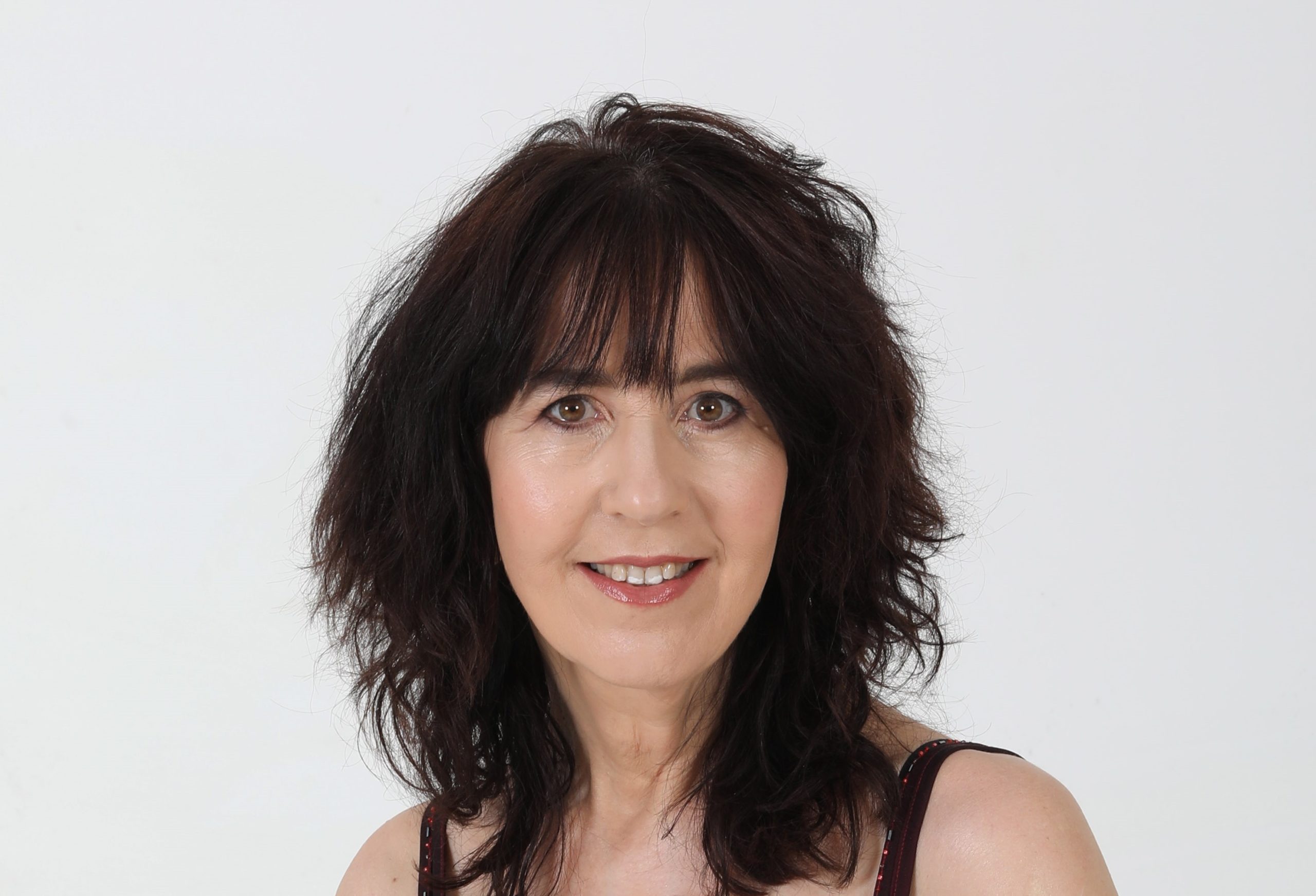
Peta Krost
Editor