


OpEds
A national cheshbon nefesh

As we approach Rosh Hashanah, there’s the impetus to do our personal cheshbon nefesh, an audit of our shortcomings, achievements, and areas we want to improve going into a new year.
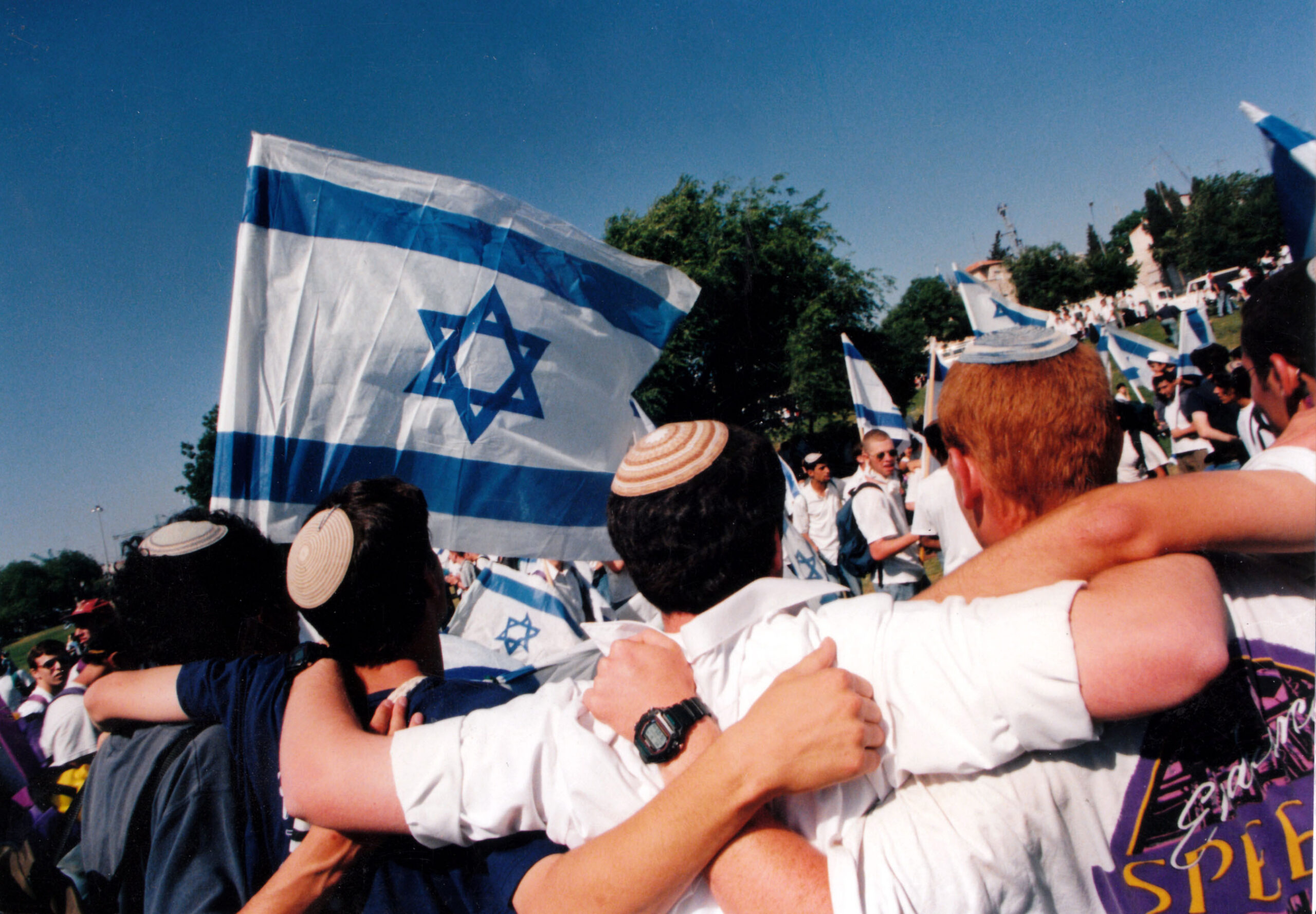
The timing couldn’t be more apt for Israelis. After three years of war and amid a tumultuous political climate and shifting sands in the international arena, Israelis are doing a national cheshbon nefesh. A long, hard look at where we currently stand as a nation, what is happening to our national soul, and where we go from here.
I know I am emotionally exhausted from the past year. Many people comment about how resilient we are in Israel, how we have seemingly moved forward in the last year. But the truth is, we carry a lot of mixed emotions – grief, joy, trauma, exhaustion, and happiness, in a complicated emotional cocktail. We are still carrying immense trauma from 7 October and I think we will for many years to come. I’m not ashamed to speak about my own post-traumatic stress disorder. I don’t like crowds or loud noises and, having endured wars within a war that bring with them sirens, missiles, and destruction, it’s still taking a while for my nervous system to reset.
This past year, we have run the gamut of emotions. The sheer thrill of the return of all of our hostages. The immense pain that many returned home in coffins. The brave sons and daughters we have lost in defence of the country. Time does not heal all wounds. War with Iran and Hezbollah. An alarming rise in antisemitism wearing its latest iteration, antizionism. Violence in Judea and Samaria. All of this weighs heavy on our souls and as we welcome a new year, it all informs the type of country we want to live in.
It’s no coincidence we are called Israel. Israel means “to wrestle with G-d” and right now, Israelis are wrestling with their conscience.
We are on the precipice of one of the most consequential elections in Israeli history. The big question we are asking is: will the Netanyahu era come to an end? Israelis are frustrated and angry at many of the decisions of the coalition government, which is viewed by many as veering into the extreme. Political figures such as ministers Itamar Ben-Gvir and Bezalel Smotrich, who are extremely polarising, the influence of the Haredi (ultra-Orthodox) factions and their dogmatic refusal for many to serve in the Israel Defense Forces (IDF) are all contributing to this frustration. Israelis are asking ourselves the most important question – will the next government align with our values?
One thing that’s evident is that the global assault on our collective Zionist identity as a country has only strengthened our resolve and, as we approach the 27 October elections, it is a mainstay on party platforms.
Prior to 7 October, Israel was extremely divided. Who can forget the mass protests across the county both in favour of and opposed to proposed judicial reforms? The events of 7 October, like many disasters throughout our history, united everyone – but the cracks have reappeared.
The war demonstrated the importance of having an independent judiciary as Israel faces South Africa’s “genocide” accusations at the International Court of Justice.
Israel’s ability to investigate allegations through a robust judiciary is evidence of its robust democracy, which protects both the rule of law and our armed forces. While there is no doubt that there need to be some reforms, perhaps it’s time for Israel to have a constitution.
Another area of contention that could influence the way Israelis vote, and our ability to begin to heal as a nation, is the issue of a possible national inquiry into the circumstances that led to the 7 October attacks. Many have taken responsibility, including former prime ministers Naftali Bennett and Yair Lapid, former IDF chiefs and senior command, the former head of Sin Bet, and other ministers and officials. But glaringly missing from the list of mea culpas are the current prime minister and members of his coalition, who have, to date, refused a national inquiry. President Isaac Herzog has been an outspoken advocate for the need for a national inquiry.
We are also approaching a new year when the sands of international support have shifted considerably. The countries we once called close allies have taken a more hostile stance against the Jewish State, largely influenced by sectarian politics in their own bases. Canada, Australia, the United Kingdom, France, and others who were once staunch allies are now among the strongest critics.
The political climate in the US is also shifting and Israel must brace for a post-Trump America and focus as planned on a military partnership, as opposed to a relationship where the perception of aid is seen as negative by young Americans. In fairness, perhaps they don’t fully understand the benefits from a national security perspective, but aid is now the stick that’s wielded to pull away from this strong alliance of shared values. Some blame Prime Minister Benjamin Netanyahu for neglecting the Democratic Party to focus on Republicans, and it will take a concerted effort on multiple fronts to rebuild those ties.
The news is not all negative. In fact in most of Africa, South America, the South Pacific Islands, India, and in countries like Slovenia, the Czech Republic, Greece, Cyprus, and in our own region, ties are strengthening, making the perception that Israel is isolated untrue. The sands have just shifted to other areas.
Growing violence in Judea and Samaria is lighting a fuse that could explode the proverbial tinderbox that is this territory. A small group of extremists (I won’t use pejoratives by calling them “settlers” because there are many different kinds of settlers, they are not a homogenous group) is committing violent acts against Palestinian civilians and inhibiting security forces from maintaining calm by attacking them as well. While they have been roundly condemned by the president, the prime minister, and the IDF, this must be stopped and perpetrators must face consequences. They threaten to blow open another front and are a stain on our country.
Despite everything our remarkable country faces on a daily basis, Israelis feel more optimistic.
The Jewish People Policy Institute’s Israeli Society Index found that 43% of Jewish Israelis believe Israel is improving and will continue to improve, up from 36% last year. Among right-wing respondents, optimism rose to 76%, compared with 68% a year ago.
Overall, 35% of Israelis said the country is improving and will get better, while 30% said Israel is declining and the decline will continue. The latter figure fell from 38% last year.
Overall, the report says, “the right has become more optimistic about the present, while the centre-left has become more optimistic about the future”.
Over the past few years, Israelis have grappled with war and loss and while those battles, both kinetic and emotional, are still ongoing, now is the time for another reckoning on a personal level and as a nation. Who will we be in this coming year? What will our cheshbon nefesh look like this time next year?
Shana tova. May this year bring what we so fervently hope, pray, and fight for. Peace.
- Rolene Marks is a journalist and commentator on Middle East affairs, co-founder of Lay of the Land, and the national spokesperson for the South African Zionist Federation.