OpEds
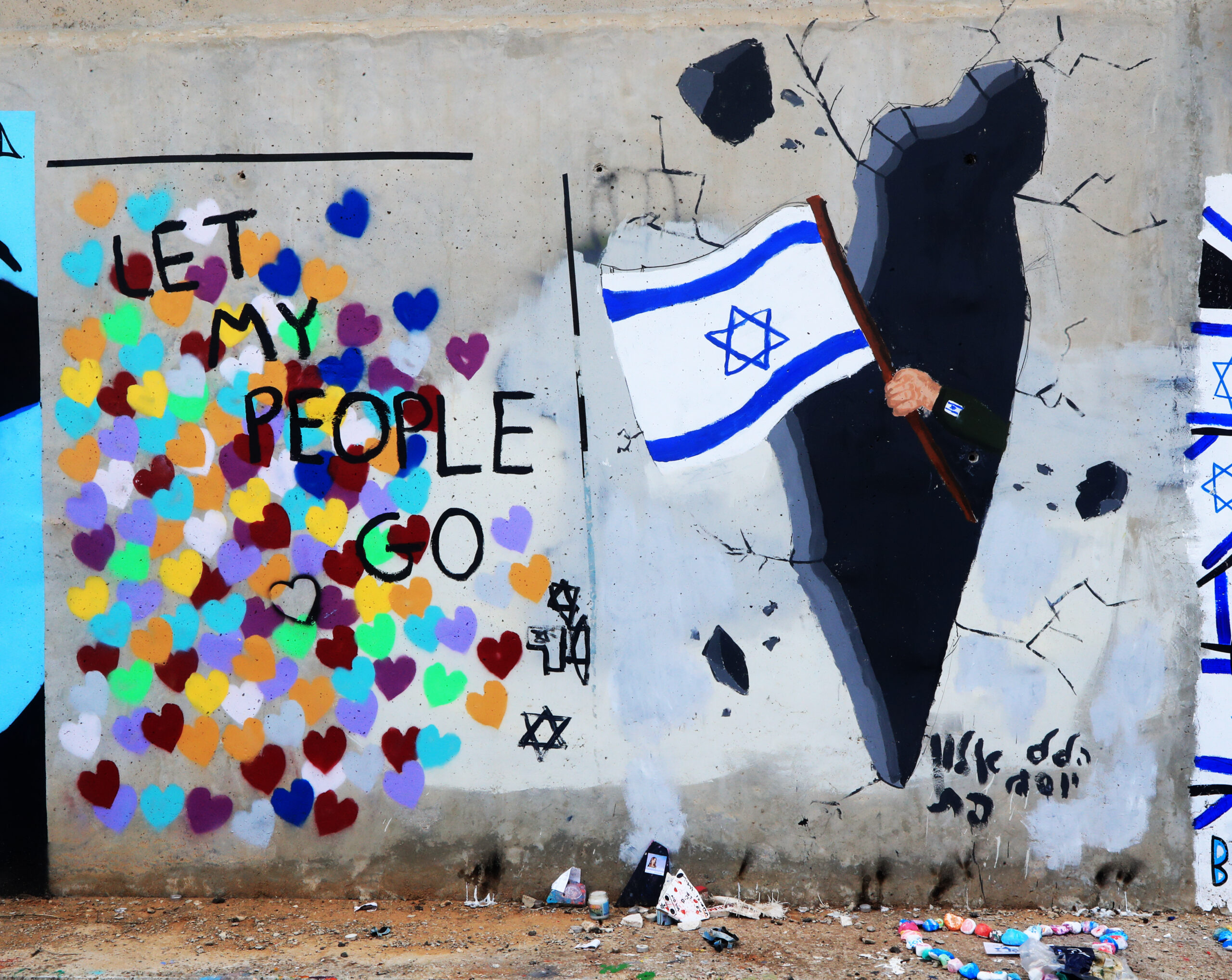
The day that forever lives in us

The smells and the images that I have encountered in the past three years, as I have covered 7 October and the ensuing war, are seared into my soul. I have seen the evidence and smelled the aftermath and they are ingrained in my DNA.
As a journalist, when you cover war and bear witness to depravity, you almost function on auto-pilot because the importance of recording history and giving voice to the victims supersedes everything. As painful as it has been at times, it has also been the greatest privilege to help give a voice to the victims. It is our collective responsibility to ensure that they are never silenced.
Once the adrenaline of covering a story leaves, the emotions flood in, and they are impossible to control. Three years later, they are as vivid as ever. Time has not healed this wound for Israelis. I doubt it ever will.
I remember every minute of that Black Shabbat and what followed. I recall a visit to Kibbutz Nahal Oz shortly afterwards. The houses were mostly intact, the only signs of the carnage that happened inside were the bullet holes, ZAKA stickers, and Israel Defense Forces (IDF) shorthand sprayed on the walls. The family that lived in that house was murdered, save for the son who had gone out for a run that morning and, once spotted by a member of the kibbutz rapid response team, was taken to a safe room where he hid, not knowing the fate of his family. The kitchen window of the house faced the same direction as the front door, covered with a ZAKA sticker and the IDF yellow circle with a dot inside. A family was murdered here. I looked at the row of detergent bottles on the window sill and all I could think about was the people who’d lived there. Were they washing dishes? Enjoying a coffee? What were they doing when the forces of evil stole their lives? I cannot get the neat line of detergents out of my mind.
The milking area of the kibbutz dairy was a different story. Glass shattered, the machines shot up and broken, and the living quarters of Thai workers burnt. Standing in stark contrast, was a pristine sukkah, a living reminder of what we have endured and what sustains us.
In the darkest places, there were always signs of hope. I remember visiting Kfar Aza just after the attacks. The stench was overwhelming, the destruction out of a horror story. Our IDF escort warned us to be careful where we walked because they still had to test whether the ash on the ground was human or structural. I cannot adequately describe what it feels like to hear that. Words fail me.
In the “young generation” neighbourhood, destruction, charred edifices, and belongings that were looted made navigating the space tricky. Nobody wanted to touch anything that had been looted, not even to move it out of the way. These were once the belongings of people either murdered or held hostage.
And there it was among the ruins. Untarnished in any way, a chanukiah. A sacred Jewish symbol, unblemished. Impossible to tell who it belonged to. Would anyone ever light it again?
Three years later, the pain has not subsided. Our hostages are home, but our wounds are still gaping. October 7 informs our decisions as a country and who we are as Israelis.
Three years of war, pain, perpetual demonisation, isolation, betrayal, fighting on multiple fronts, and fighting for our very existence have birthed a different kind of Israeli. We don’t wait for the world to rescue us. We determine our own future. And we fight. Because we have no other home. We have learned that we have to rely on ourselves as the political sands of the world shift.
This month, Israelis will go to the polls in our most consequential election to date. Among the many issues competing for our vote is the failure of this coalition government to take responsibility for the failures that allowed 7 October. The buck stops with the top man in office. The past three years will inform how we determine our future and how we respond to the threats on our doorstep.
Through the pain and everything that has followed that Black Shabbat, despite the divisions and disagreements, I refuse to lose sight of who we are. We are Aner Shapira and Tali Hadad, Eli Sharabi and Ahsan Daxa, we are Rachel Goldberg-Polin and Ibrahim Kharuba. We are Yuval Raphael and Shiri Bibas. Hersh Goldberg-Polin and Awad Daramshe. We are Amit Mann and Tomer Grinberg. We are Idan Amedi and Gadi Moses. We are the sum of all of us throughout our noble history, and those who have built this home, brick by brick. We are the chanukiot that still shine in the darkness, the everyday people who continue on.
They say time heals all wounds. There is not enough time in existence that will heal this wound, but it has changed who we are. I believe our very DNA as a people has forever been altered. We have learned that strength and grief can coexist. Three years later Israelis are still deep in trauma – but we are not broken. That day will live forever in all of us. As the world forgets, we need to remember. The preservation of memory is sacred to us as Jews.
On 7 October and every day, may we be worthy of the soldiers who continue to fight for our lives. May we be worthy of all who fell in our defence. May we honour and continue to be the voices of those so cruelly taken from us. May the memories of all who were brutally murdered that day be an eternal blessing.
- Rolene Marks is a Middle East commentator often heard on radio and TV and is the co-founder of Lay of the Land and the SA-Israel Policy Forum.