Lifestyle/Community
The heavy weight of words

“You’ve lost so much weight, you look amazing!” For some this may be the ultimate compliment, but for many others, it’s a thinly veiled insult that sends them into an emotional spiral around how terrible they looked before.
The same is true when people make uninformed, and ill-advised, comments on a supposed pregnancy when you’ve picked up a few kilos or, unprompted, tell you about the latest diet fad. “We live in a society where it’s so normal to comment on people’s bodies,” says psychiatrist Dr Felicity Marcus, who has a special interest in eating disorders and works with teenagers with body-image difficulties.
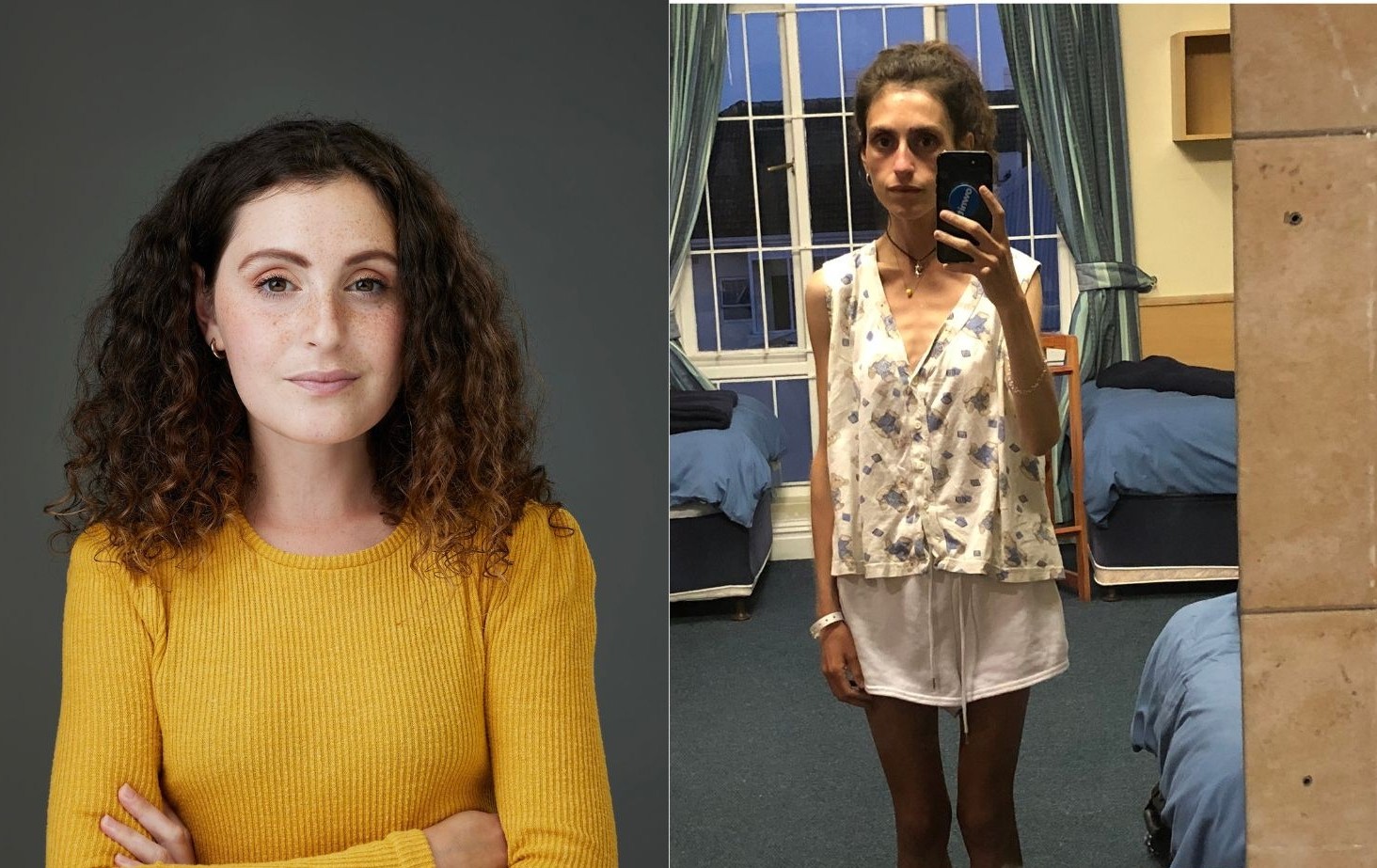
Kelsey Buchalter, whose own experience with anorexia led to her career as a nutrition practitioner and metabolic health coach, agrees. She says this normalisation is particularly true in close-knit groups like the Jewish community, where food is central to celebration, family, and tradition.
“Most comments about weight aren’t made to wound; they’re often attempts to connect, show concern, or even offer what someone believes is a compliment,” she says. “That doesn’t mean they can’t hurt, but it does remind us that the impact of a comment and the intention behind it are often two very different things.”
Yet, we all need to be more cognisant of the impact of our words, Buchalter adds. “For someone vulnerable to an eating disorder or poor body image, even an offhand remark can reinforce the belief that their body is something to be constantly monitored, judged, or ‘fixed’. We rarely know what someone is battling privately. Weight is often the symptom people see. It’s rarely the whole story.”
Therein lies the danger of focusing on external attributes, says Marcus. “Whether it’s that you’ve lost weight or that you’re overweight, people will rarely say, ‘Wow, you’re so kind and caring’, but they’ll always make comments around your physical appearance.” They’re also often ignorant of, or indifferent to, the emotional effects of their words.
While both men and women are subject to body-image pressures, Marcus says, it’s often women who judge other women. Melissa Singer*, who has experienced this, says that since losing weight is a lifelong struggle for many people, flippantly passing judgement can be harmful.
“I had weight to lose when a woman once commented on how much I had lost. I had only lost a few kilos, and she made it sound like I’d lost a ton of weight. I thought to myself, how much of an elephant did she think I was? It felt like a slap in the face, but what could I do? I did tell her how much I had lost, but that seemed to go over her head, and she had no idea how hurt I felt.”
Singer also recalls an incident where a friend of hers had cancer and her stomach bloated from the chemotherapy. “It broke her heart every time someone asked her when the baby was due. Life is hard and we’re hard on ourselves, which makes it cruel for other people to ‘shine a light’ on something like weight for us.”
Maybe women feel that most of us struggle with our weight and so it’s okay to comment, she says, or that you’ll feel good if they tell you that you’ve lost weight. “Yet, I always think a generic compliment like ‘You look good in blue’ is much better and has far fewer landmines.”
While a preoccupation with weight is not new, today’s social media dominance and its focus on superficial qualities has undoubtedly upped the ante, Marcus says. Increasingly, skinny celebrities like Ariana Grande and Demi Moore reflect changing beauty standards, with their images and those of similar stars and influencers hard to escape. “It’s now so accessible, you go on your phone, on social media, and you’re just bombarded with these pictures. Before, the photos or appearance pressures would be out there, but you wouldn’t constantly confront them.”
Buchalter elaborates. “Personally and professionally, I see how pervasive our cultural obsession with weight has become,” she says. “Somewhere along the way, we’ve confused thinness with health and body size with personal worth. We’ve reduced one of the most complex biological systems in existence to a single number on a scale, when that number tells us remarkably little about a person’s metabolic health, mental well-being, or quality of life.”
Considering why people think such comments are acceptable, Marcus argues that such words may sometimes be a projection of their own insecurity around their bodies. “A lot of people just don’t feel comfortable in their own skin today,” she adds, speaking of her own professional observations. This, she says, is exacerbated by external influences, pressures, and unrealistic beauty expectations that none of us can meet without cosmetic intervention.
Beyond casual acquaintances, it can be especially triggering when one’s parents or even doctors approach one’s weight without the requisite sensitivity, Marcus says. “Especially in the younger generation, who are very vulnerable and impressionable, it has a lasting impact,” she says.
Even when someone’s weight is affecting their health, there’s a better way to broach the subject, she says. “It’s how you say things, make it more about directing it towards a healthy, balanced lifestyle than just saying, ‘You’re fat and you need to lose weight.’” Conversely, when commenting on someone’s weight loss, consider that positive reinforcement on weight loss can also fuel eating disorders, she says, especially in those who are vulnerable to such dangers.
The increasing use of GLP-1 receptor agonists like Ozempic can also be problematic, says Buchalter. “They absolutely have an important place in medicine. Yet, my concern is not about the medication itself. Rather it’s with the growing societal narrative that everyone should strive to become thinner, regardless of whether they are metabolically healthy, and that medication offers a shortcut to achieving that ideal.” Thinner is not always healthier, she says.
In handling upsetting and intrusive comments about weight, Marcus suggests setting clear boundaries, and saying you prefer not to discuss your body or weight. She suggests commenting on someone’s positive characteristics rather than focusing on their appearance.
Regardless, once we become more comfortable with our bodies, we’re better equipped to build the kind of resilience that reduces the power of comments on weight. “For me, one of the greatest indicators of recovery wasn’t that my body changed, it was that my nervous system changed,” says Buchalter. “The comments that once consumed me gradually lost their emotional charge.”
“While this process takes time, my hope is that people stop outsourcing their self-worth to other people’s opinions. Your body is not here to win a popularity contest; it’s the vehicle through which you experience your one precious life. Look after it and let objective markers of health, not passing comments or changing beauty standards, be your guide.”
*Name has been changed due to social sensitivities.