Voices
Community steps up again to help persecuted migrants

There is a sense of anxiety that has gripped not only our community but all of South Africa this week. The fear that xenophobic violence will erupt again, as it did in 2008, 2015, and 2019, sits heavily with us all. Against that backdrop, the South African Jewish Board of Deputies (SAJBD) was invited to an interfaith meeting convened by President Cyril Ramaphosa to brief religious leaders on the government’s strategy for managing the situation. Our national director, Wendy Kahn, attended on behalf of the community. She returned guardedly reassured that the national government is treating this with the seriousness the moment demands.
What makes the current situation more troubling still is the conspiracy theory that has surfaced about “Zionists” sparking the tensions and deliberately damaging South Africa’s reputation abroad. This is not a new form of antisemitism. It is a very old one, the ancient trope of Jews wielding hidden, malevolent power, now dressed in political language. It is false, it is offensive, and it carries real risk for our community. It must be named for what it is.
Leviticus tells us, “The stranger who resides with you shall be to you as one of your citizens; you shall love him as yourself, for you were strangers in the land of Egypt.” We Jews understand the plight of displacement and landlessness well, it is ingrained viscerally in our history, both ancient and contemporary. As a community, we have always stood for the rights and dignity of asylum seekers, refugees, and other displaced peoples, because we know, precisely and viscerally, where anti-foreigner sentiment leads.
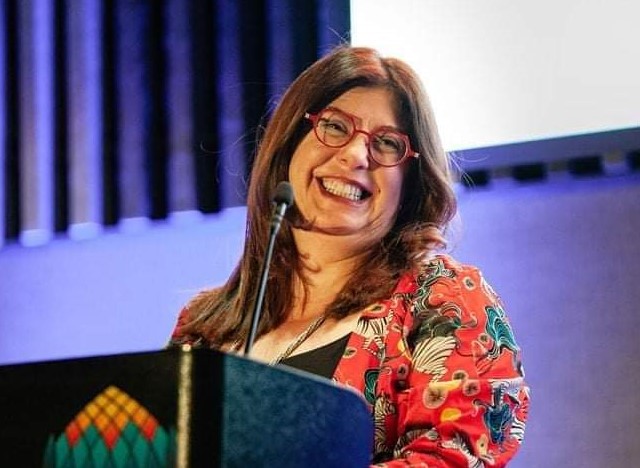
That is why HIAS, the global Jewish humanitarian organisation operating in South Africa under the leadership of SAJBD KwaZulu-Natal chair Alana Pugh-Jones Baranov, works on the frontlines of this crisis every day. HIAS ensures that undocumented foreigners can access the constitutional rights to which they are entitled and receive the care they are owed. This work is not peripheral to our identity as Jews. It sits at the very heart of it, connecting our own historical experience of displacement directly to the lives of those who are displaced today.
This commitment is not abstract. In 2008, when xenophobic violence erupted across the country causing thousands of displaced people to seek refuge, our community mobilised. Its members worked tirelessly at several refugee camps set up at police stations where displaced people sought shelter. As examples, the Union of Jewish Women took over the cooking at camps, youth movements came in to keep terrified children occupied, and donations of food, clothing, money, and essential goods poured in from across the community. When the moment demanded it, we showed up.
The SAJBD has been approached by vulnerable foreign migrants seeking assistance, and we have heard that call. We will be running a campaign to raise funds to alleviate the suffering of those affected, wherever they may be in the country. I encourage everyone to give generously, and assist in a small but meaningful way for those most in need at this time.