Voices
Studying today’s antisemitism

This week, alongside our incredible community volunteers, we packed and delivered hundreds of food parcels to members of the Congolese community in Johannesburg who are facing severe humanitarian hardship.
This is a community with almost nowhere to turn. There is no citizen registry, little support from their official representatives, and precious few safety nets. We were alerted to their plight by a trusted partner with whom we have worked since 2008, and we responded as our community always does. To everyone who gave funds and time to make this possible: thank you. Your generosity has made a real difference. But the need continues to grow, and requests for assistance reach us every day. If you are able to help, please consider making a donation so that we can continue providing emergency relief to those affected.
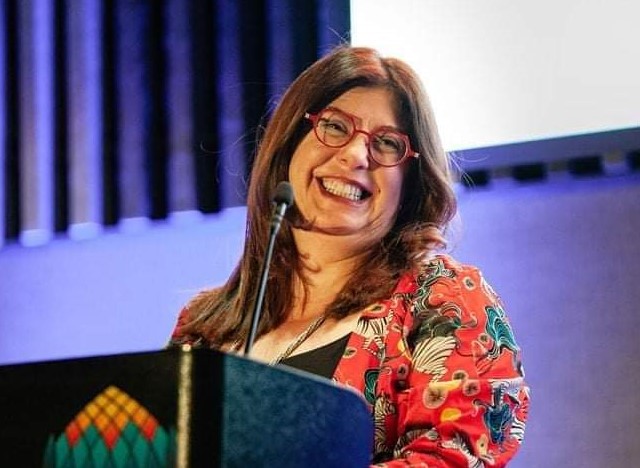
Last week, the Board participated in a major international conference co-hosted by the London Centre for the Study of Contemporary Antisemitism, Gratz College, and the University of Haifa’s Comper Center for the Study of Antisemitism and Racism. The conference was held at the University of Haifa, with our participation online. It drew more than 500 participants and more than 300 international speakers, among them former United States antisemitism envoy Deborah Lipstadt, former Soviet dissident and human rights activist Natan Sharansky, French intellectual Bernard-Henri Lévy, Canadian human rights lawyer Irwin Cotler, and Israeli academic Professor Dina Porat. Session after session examined how antisemitism has evolved since 7 October across higher education, law, media, technology, and public policy.
The South African contribution was a talk on the Roedean incident in February this year, when the Anglican school chose to boycott a tennis match against our King David girls. The talk examined the incident as an example of the shifting nature of antisemitism, and considered how government policy on Israel may have created the permission structure that allowed the antisemitism to pour out, both in the incident itself and in the online vitriol that surrounded it. It also traced how the event was reframed in the media as legitimate political protest. That whitewashing matters. It normalises what happened and prepares the ground for the next boycott of the same nature.
A highlight of the conference was the formal launch of the Contemporary Antisemitism Studies Association (CASA), a tri-national partnership between the three host institutions, with more than 150 founding scholars, of whom I am proud to be one. The association aims to strengthen international research collaboration, launch a new academic journal and scholarly book series, and consolidate contemporary antisemitism studies as a recognised academic field. Antisemitism is mutating quickly, and confronting it demands rigorous scholarship as much as it demands vigilance.