OpEds
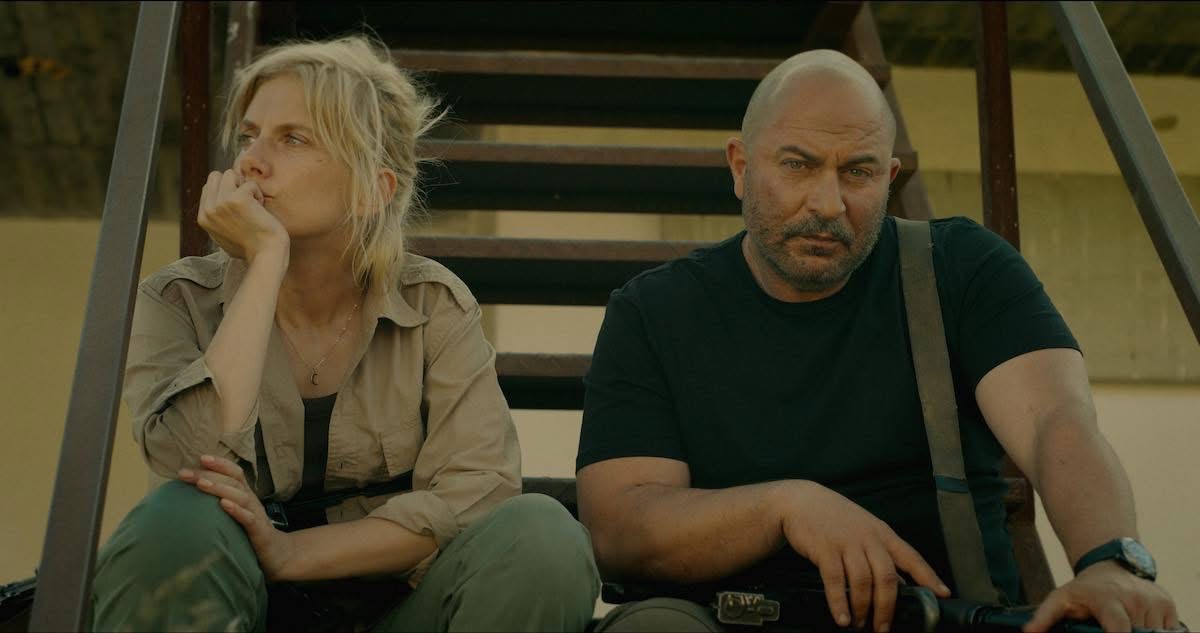
Fauda makes 7 October personal

Season 5 of Fauda is shocking because of how realistically it evokes 7 October. For those of us who weren’t directly affected by that horrific day in Israel, the new season brings the terror, grief, and helplessness close enough to feel personal. I want to say it should be essential viewing for adults outside Israel, while recognising that some viewers may not be able to stomach the violence or the realism that Fauda provides.
What makes this season so unsettling is not simply that it depicts violence, but that it turns national trauma into something intimate: the viewer is asked to sit with fear, shock, impotence, and grief through characters they already know.
Full declaration: I have been a fan of Fauda since the first episode. I think the script, storyline, and acting are superb, and it has always shown empathy for both sides of the Arab-Israeli conflict. Fauda has shown Israelis with warts and all. It doesn’t claim they are angels or superhuman, it tells it like it is. Israelis are shown as human, with faults, special gifts, community, and honour, and who sometimes make bad errors too. The army is made up of real people, many of whom are heroes and yet there are some who at times seem heartless. Again, Israel is shown as a country of passionate, tough, gentle but sometimes ruthless people who love their country and recognise it is the only one they have.
I know that the scriptwriters, Avi Issacharoff and Lior Raz, who plays Doron, had to rewrite the script for season 5 after 7 October 2023. What is extraordinary is that an earlier version of their storyline reportedly included a terrorist border raid, which they removed because it seemed too unbelievable in Israel. Then 7 October happened, and they, along with the whole of Israel and the Jewish world, had to reconfigure what they believed was possible.
When they went back to the drawing board, they were no longer imagining horror from a distance. They were writing through their own grief and distress, drawing from a reality that was far too close to home.
Raz served in a specialist undercover counter-terrorism and intelligence unit in the army, as well as spending 20 years as a reservist, while Issacharoff was a journalist specialising in Palestinian affairs. Much of Fauda, until this season, was therefore rooted in realities they knew closely.
On 7 October, Raz apparently woke up to a panic call from his sister who was trapped in a bomb shelter on a border kibbutz. She made it out safely. Two days later, Raz and Issacharoff joined the volunteer group Brothers in Arms and drove down to the heavily bombarded town Sderot on the border of Gaza and were involved in the rescue of two Israeli families trapped in their homes. Turns out one of the women Raz rescued recognised him as Doron from Fauda.
This goes to the heart of the realism of the series, which steers clear of gratuitous violence. I need to mention that you see plenty of exploding cars and people being shot, but the camera always cuts away before moments of extreme bodily harm. While there is the devastating impact of terrorism and military raids on civilians, there is restrained focus on the emotional trauma and psychological toll rather than on graphic torture.
While the season is effectively about post-7 October and seeking out those who perpetrated the atrocities in Israel, there are two episodes that take us back to 7 October itself. There is a very clear alert to viewers that if they have experienced recent trauma or are too sensitive to it, they may want to skip the two episodes. They are assured that they miss nothing in the storyline.
However, as much as I was dreading those two episodes, they were massively impactful. As a South African Jew, I didn’t personally know anyone in the south of Israel who was harmed or lost someone on 7 October. So, while I remain horrified and shocked at what happened to my people, and in that way, it was personal, it was not directly personal.
However, I was invested in the characters of Fauda and seeing the terror experienced by family members and the cold hatred in the eyes of the Hamas terrorists, it felt personal and so real. As we count down to the third anniversary of 7 October, it was all brought back to me. What was so painfully clearly portrayed was the sheer panic of the day. People shocked to see that terrorists were in their country, and en masse. The total impotence of the characters and their families in the face of Hamas on that day.
All of the core characters are shown to be suffering from post-traumatic stress disorder, and the aftermath of 7 October hangs heavy on the portrayal of Israelis in Fauda. There is no whitewashing of this or their pain. The Fauda team lost a core member of its production crew, who was killed in a booby-trapped tunnel blast in Gaza. Idan Amedi, who played Sagi in previous seasons, was critically injured in Gaza.
Until this season, the script specifically portrayed Israelis and Palestinians as complicated human beings, showing their love, humour, and motivations for violence. However, Raz and Issacharoff were open about the fact that they couldn’t empathise with Hamas after 7 October.
Fauda, season 5, will stay with me. I am grateful for it because I needed this reminder now: not only of what happened on 7 October, but of how fear, grief, and resilience continue to shape Israeli life. If you have the stomach to watch it, I believe it is vital viewing.
- Peta Krost is the editor of the SA Jewish Report.