Religion
Jewish remembrance is as much about future as past

The annual Jewish calendar is filled with days of joy and celebration alongside other occasions marked by loss, bereavement, and recognition of national and personal tragedies. An underlying constant in when and how these occasions are observed is a connection to the concept of time. Holidays and memorial days are linked to specific dates on the calendar, and are almost always limited to a specific number of hours or days.
But time in Jewish tradition isn’t just a matter of when and how, rather it’s a complex system that allows us to understand how we relate to the past, present, and future. This stems from the understanding that events which took place in the past, whether an hour, day, or millennium ago, continue to hold influence and relevance for how we live our lives now and going forward.
This central truth to Jewish observance can help us better connect with events in the past that we might have trouble relating to. Most specifically are the days and rites connected to the destruction of an ancient Jerusalem, particularly as we live in an era where Jerusalem is a thriving city that serves as the proud centre of the modern Jewish state.
There are two main reasons why this connection to the destruction of years ago remains critical to our lives today.
The first is something which I believe has become far easier to understand amidst the past nearly two years of war. Simply put, we cannot take anything for granted. In a matter of moments, the concepts of national, military, and social supremacy that many of us had come to accept as a given, were shattered on 7 October 2023. Blessedly, our nation rallied with a strong army and people, and despite the enormous costs we have been forced to endure, we live with confidence that the state of Israel will not experience the type of destruction that defined us in eras past.
But observance of those past destructions reminds us that we can never – and should never – feel complacent. Current and historic events must reinforce the truth that we don’t have the luxury of making the mistake of thinking that our safety and security is a certainty. Rather, we must always rely on both faith and doing our part by serving and investing in our physical defence to ensure such tragedies never occur again.
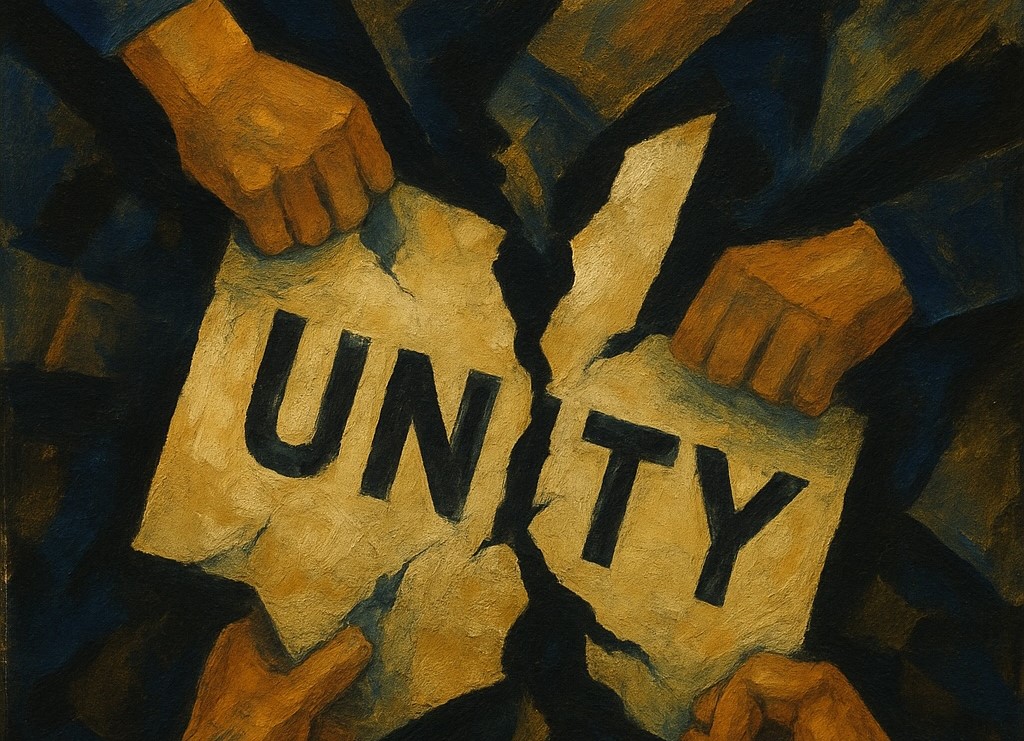
The second is that we must remember the events which led up to the destruction. Jewish tradition stresses a worldview in which tragedies are inextricably linked to internal developments within our people and society. Very often, our enemies are even more aware of that internal strife than even we might be, and are quick to capitalise on our weaknesses, a process that has continuously led to the wars and attacks that are a painful part of our national legacy. Disunity within our people isn’t just a weakness that our enemies can take advantage of, it’s a major obstacle to our own ability to defend against threats. A fractured society is a society lacking motivation and unified purpose – a reality which was ever-present in Israel in the months prior to 7 October, and tragically remains present even in the face of numerous enemies within our country and around the world.
Appreciating these two lessons reinforces the understanding that the events of the past – even those that occurred hundreds or thousands of years ago – reflect lessons that are as relevant today as when they occurred. The story of the Jewish people, in both our traditions and our national narrative, is one that exists in this cyclical manner. As different as we might think ancient destructions might be, separation in time certainly doesn’t mean separation in relevance. These days offer us an opportunity to reflect on the timeless lessons of what we might be able to do differently, spiritually, socially, and behaviourally, to ensure that the damages wrought by past mistakes don’t repeat themselves.
But if we succeed in this endeavour, and remember the undeniable linkages between past, present, and future that are at the heart of our Jewish existence, then we can live with the hope and prayer that we will be blessed with better, safer, and more peaceful days ahead.
- Rabbi Yuval Cherlow is the director of the Tzohar Center for Jewish Ethics and a founder of the Tzohar Rabbinical Organization.