Lifestyle/Community
Rabbi embraces modern-world Torah tradition

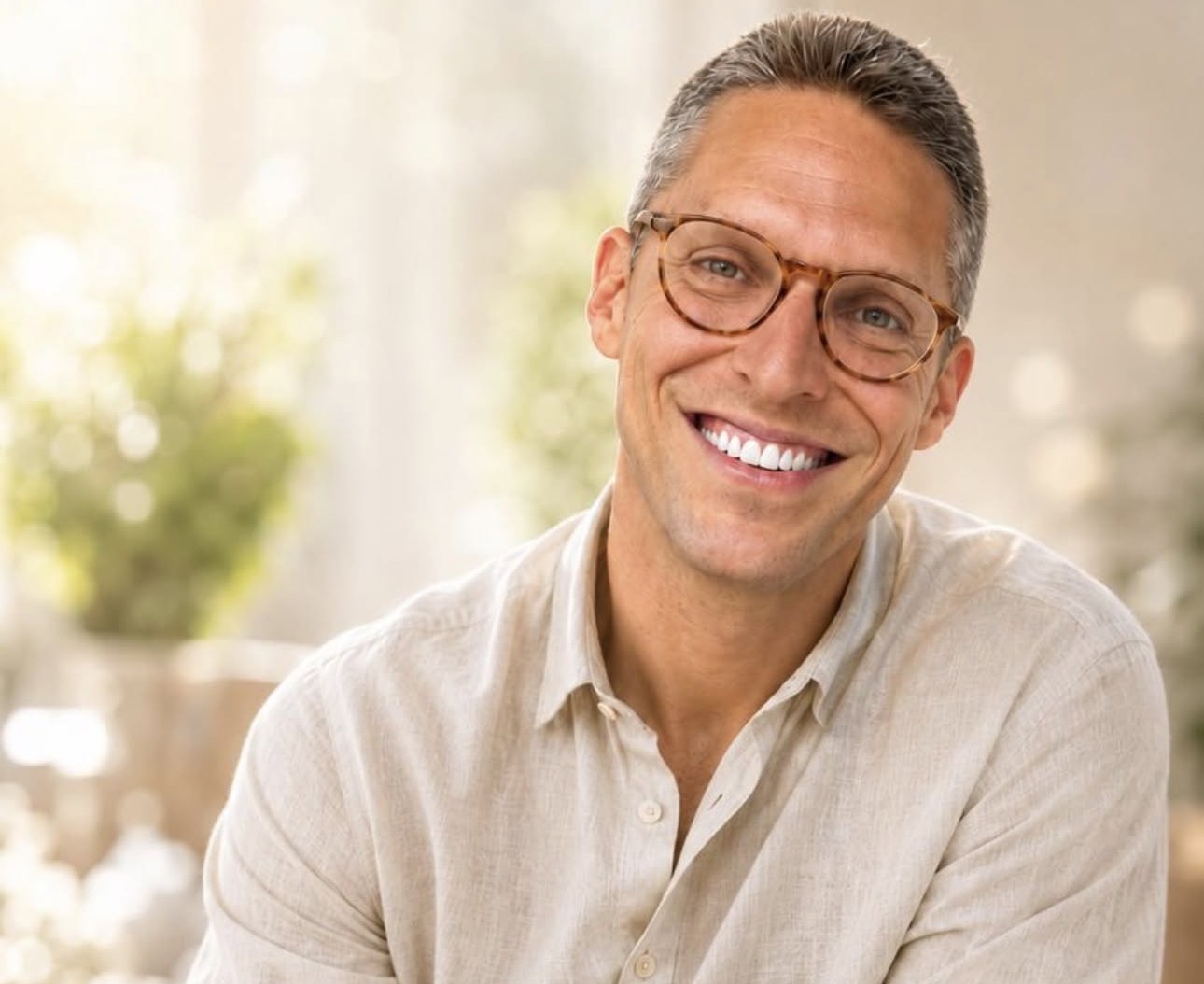
American Orthodox Rabbi Shmuly Yanklowitz has built a career in challenging steadfast assumptions. While firmly rooted in the halacha, he has become one of modern Orthodoxy’s most progressive voices, advocating for women’s leadership, LGBTQ+ inclusion, social justice, and interfaith dialogue.
To many, those positions seem contradictory. To him, they’re a natural extension of Judaism itself.
Speaking ahead of his virtual educational sessions for the Cape Town Melton School’s anniversary programme, Yanklowitz said his focus before the high holy days isn’t on controversy. “It’s really going to be about character development and flourishing as individuals in our fullest sense,” he said. “In Elul, preparing for a month of reflection, it’s going to be storytelling and inspiration for focusing on our inner lives.”
That same principle, he believes, should shape the way Judaism responds to the modern world. “The Torah is living. It was intended, built into the system, to be an evolving tradition, one that is responsive to the moral demands of our moment.
“It’s not about changing the halacha as much as actualising it by liberating it from its narrow confines, because sometimes in history we were very limited due to external oppression. Now, with a new empowered sense of opportunities, we can really actualise the halacha for this moment. There’s a type of liberal Judaism that sometimes just dismisses the halacha, and there’s a type of ultra-Orthodoxy that freezes the halacha. I think there’s a middle ground that needs to be tradition-rooted, but also very responsive and adaptive.”
For Yanklowitz, that understanding begins with recognising the diversity within the Jewish world.
“My form of Orthodoxy is rooted in pluralism, a real respect for the diversity of types of Jews. Rather than trying to change people or make them a certain type of Jew, it’s really about validating and appreciating the diversity of the Jewish community. It means being more open to change and welcoming people as they are. It entails being more feminist and inclusive of women. It includes being more LGBTQ+-friendly. It includes engaging people of different racial and cultural backgrounds.”
One of the clearest examples of that is the growing role of women in Orthodox leadership, he said. “We’ve now been ordaining Orthodox women rabbis for a few decades, and we must support that, not only because they have the right to that, but, just as importantly, because the community will benefit immensely from that. In particular, we want young women to see these role models and this pathway to Jewish leadership.”
Yanklowitz understands why some argue that women rabbis aren’t part of Orthodox tradition, but says tradition has never meant standing still. “It’s true we haven’t had women rabbis for thousands of years, but we also didn’t have phones and electricity and we didn’t have the internet and we didn’t have medical technology. It’s a new era. I think there’s a way to preserve Torah and halacha and still be responsive to those new realities.
“Women now have PhDs and are presidents and prime ministers. Women now have full access to public leadership. Why should this be the one form of leadership they can’t exercise? It makes Torah look embarrassing to say we restrict women from leadership.”
The same commitment to human dignity informs his approach to the inclusion of LGBTQ+ people. “Throughout the Torah, it champions human dignity,” he said. “We know that by alienating queer people, their suicide rates are much higher. We should celebrate human dignity, kavod habriyot, and make sure people feel valued and respected.”
His understanding of Judaism extends well beyond synagogue life. Through organisations supporting vulnerable children, refugees, immigrants, people experiencing homelessness, animal welfare, and pluralistic Jewish learning, he sees social action as inseparable from religious life.
“My Torah is rooted in a social justice awareness of supporting vulnerable populations,” he said. “We do a lot of humanitarian work with foster children, with immigrants and refugees, with homeless populations, and a lot of interfaith bridge building.”
That same willingness to hold complexity shapes the way he speaks about Israel.
“Our Jewish establishments should be very invested in Jewish security and global Jewish solidarity and defending our community against unfair antisemitic attacks,” he said. “But within the Jewish community we really have to figure out how to create more space for complex dialogue so that people with various viewpoints on the conflict can openly and honestly participate in understanding the complexity of these issues.”
Yanklowitz believes both the political left and right have lost some of that balance. “On the far left there’s become too much dismissal of the needs of Jewish security. On the right, there’s often not enough space for diverse viewpoints or open dialogue. “While we support Israel’s existence and security, we should also be willing to critique policies we think are unjust or misguided. We should all find a balance between sharing love and solidarity and also being capable of having space for moral critique.”
As antisemitism continues to rise around the world, Yanklowitz believes Jews must resist allowing hatred to define their purpose. “I think there’s three ways [to respond],” he said. “The first is to call it out and fight it on all levels. The second is not to let it throw us off our mission and to continue to live our values on the global platform. The third is to build bridges with communities, not just to combat hate, but to find partners who are looking for partnership.
“If all we’re about is combatting antisemitism and defending Israel, we’ve lost ourselves. We need to continue to be advocates for justice and living a moral mission, not just be reactive and defensive. We have to learn how to take those threats seriously but also continue to spread our message.”
- The course will be taking place through the Midrasha Melton Cape Town online starting 6 August every Thursday for the month of August. Find more information through their website: https://meltoncapetown.org/