Lifestyle/Community
Parents of baby with genetic disorder raise funds and awareness

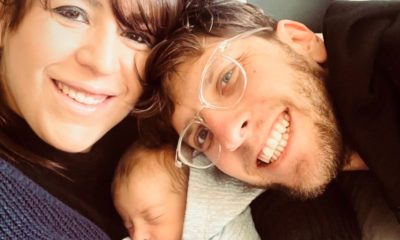
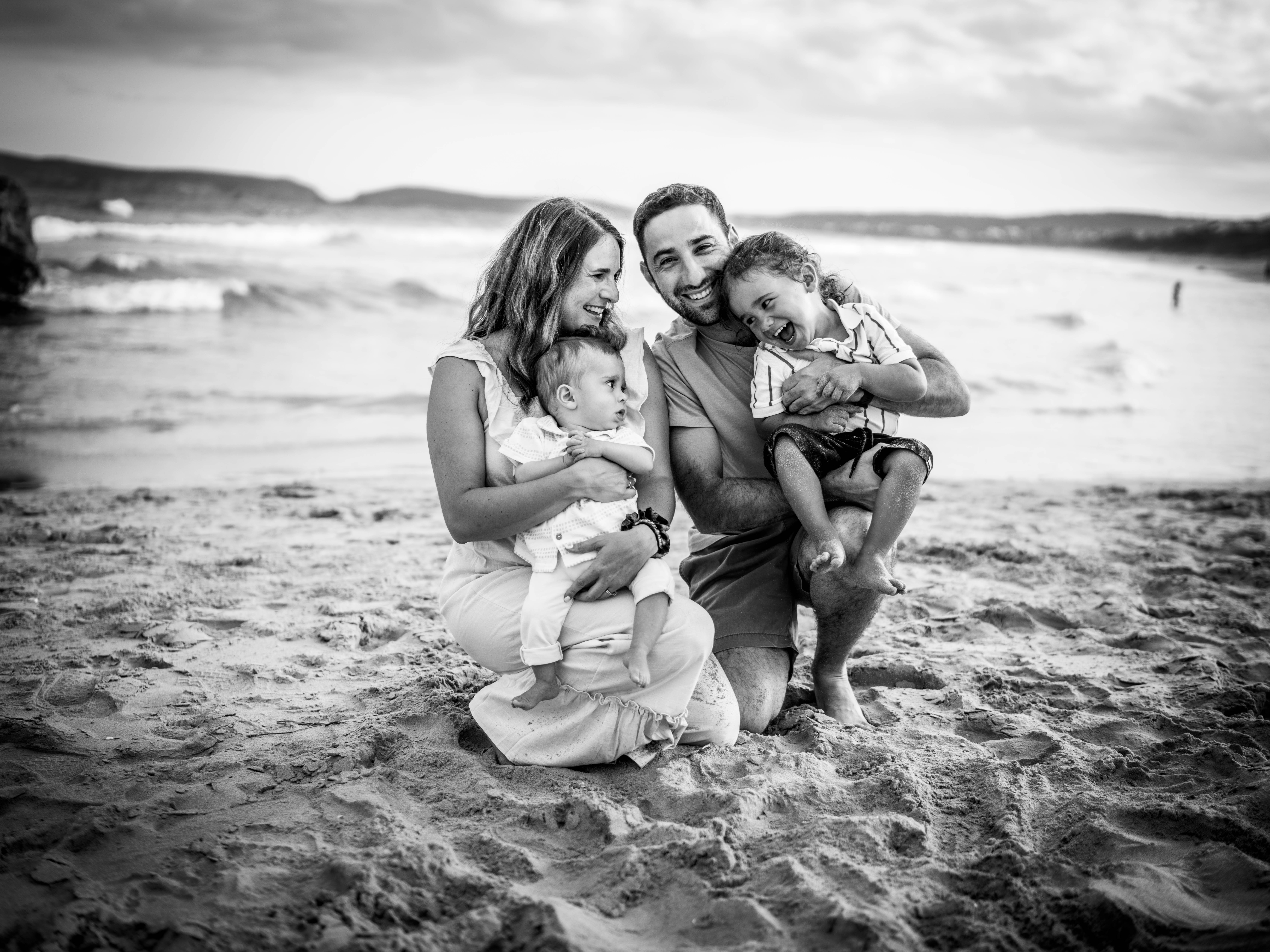
A baby boy filled with love and laughter, Sacha Ariel Bass, now 15 months, has Niemann-Pick disease type A, a rare, genetic disorder with a life expectancy of between one and three to four years. To ensure other families avoid this devastating prognosis, his parents, Daniel and Samantha Bass, are raising funds for Malka Ella’s genetic testing and counselling service, renamed Ariel Genetics in Sacha’s honour.
Born slightly early in April last year, Sacha was initially healthy. “Then from around four to five months, he started getting colds and flu,” Samantha recalls. “He got really sick and dehydrated and was admitted to hospital in September.” On discovering he had a significantly enlarged liver and spleen, the doctor began extensive testing for possible viruses.
Without clear answers, Sacha was transferred to the Wits Donald Gordon Medical Centre. “They told us that they would have to test by elimination, ruling out various cancers through biopsies,” says Samantha. They also tested for metabolic disorders. Sacha ultimately underwent four anaesthetics and spent almost two weeks in hospital.
The hospital sent his blood overseas for genetic testing, which revealed that he has a metabolic disorder. Yet because there are so many variants of such conditions, it took a further two months to determine which one it was. “Some of these disorders have treatments, and others don’t and we were left hanging,” Samantha recalls.
Finally, on Samantha’s birthday at the end of November, Sacha’s results revealed Niemann-Pick disease type A. “It was heartbreaking and not what we were expecting at all,” Samantha says.
Niemann-Pick disease is a group of rare, inherited metabolic disorders in which harmful amounts of fats in cells known as lipids build up in the spleen, liver, lungs, bone marrow, and brain. A child can have type A, B, or C. Type A is the most severe form as it is neurodegenerative and progresses quickly, which is why it has such a low life expectancy. It is reportedly most prevalent in people with Ashkenazi Jewish ancestry.
As an autosomal recessive genetic disorder, Niemann-Pick disease can be inherited only when both parents carry the gene mutation. Not all children born to such a couple will be affected, as is evident with the Basses’ healthy firstborn son, Jackson.
“If both parents carry the Niemann-Pick gene mutation, they have a 25% chance of having a child who has the condition,” explains Suzanne Sackstein, a founder of Jewish fertility fund Malka Ella. “They also have a 25% chance of having a child who isn’t affected at all, and a 50% chance of giving birth to a child with carrier status.” As a carrier, the child will be healthy, but should their future partner be a carrier too, they will then be at risk of their children having the condition.
Heartbroken at their son’s unexpected diagnosis, the Basses leaned on and continue to draw support from family, friends, and community. “During the entire diagnosis period, we were living in the hospital and people helped with everything from food to shopping, nothing was too much to ask. It’s not even just your close friends, everyone rallies around. It makes you think what a wonderful group of people we have here.”
Three-year-old Jackson ‒ who shares a special bond with Sacha ‒ also gives his parents strength. “He still has to be taken to school, to soccer, to grannies and so on, and so he’s the glue in the family without even realising it,” say the couple. “He keeps us going.”
Once they got over the initial shock of Sacha’s diagnosis, the Basses decided that, without a cure, their focus would be on keeping him as content and healthy as possible. They strive to stay in the moment with him, ensuring they’re giving him the best possible life. “He’s got so much love around him and he’s a happy kid,” says his father.
“You can see how super special Sacha is, the way he smiles and engages with people ‒ he’s so aware,” adds Samantha. “For someone who’s so affected and limited in his capabilities, like not being verbal, he can communicate so well. It’s bizarre because while he may not be reaching his milestones, he’s growing and developing every day.”
Nevertheless, when Sacha gets sick, it hits him harder than other babies. He recently had a peg, essentially a pipe that goes into his stomach to facilitate feeding, inserted as he cannot eat solid food.
“You go through phases of grief and anger because all of this could have been avoided if we had just known about genetic testing,” Samantha says. “When we got married, we ticked all the boxes in terms of lessons and so on, but no one told us we should be doing Ashkenazi panels, we were only told to test for Tay-Sachs.” Through their journey and to honour Sacha, the Basses have therefore connected with Malka Ella to raise funds for genetic testing and counselling in the community ‒ and most importantly, to spread awareness.
Now rebranded as Ariel Genetics, after Sacha’s middle and Hebrew name, the offering was started by Malka Ella to ensure the birth of healthy Jewish children, Sackstein says. For those who cannot afford it, Ariel Genetics subsidises or fully funds genetic carrier screening for 106 autosomal recessive conditions, including Niemann-Pick disease. With testing processed overseas, this costs approximately R9 000 and helps people understand their risk of passing on inherited genetic conditions. If both partners carry the same disorder, Malka Ella also helps fund genetic in-vitro fertilisation, where only embryos unaffected by the condition are implanted.
With Daniel set to run the Jeppe Marathon in Sacha’s honour in September, the Basses have raised more than R160 000 of their R360 000 target, all in aid of Ariel Genetics. Their friends in the music industry also performed in a fundraising concert on Mandela Day.
“We know the pain and suffering that this condition has caused us,” Daniel says. “So, by raising funds and awareness, we’re not only honouring Sacha’s life and creating a legacy for him but also preventing this pain and suffering for other families. Even if it’s just one or two families who don’t have to go through this, he will have fulfilled a special purpose just by being here.”