Lifestyle
The lightness of being wrong: a therapist’s journey

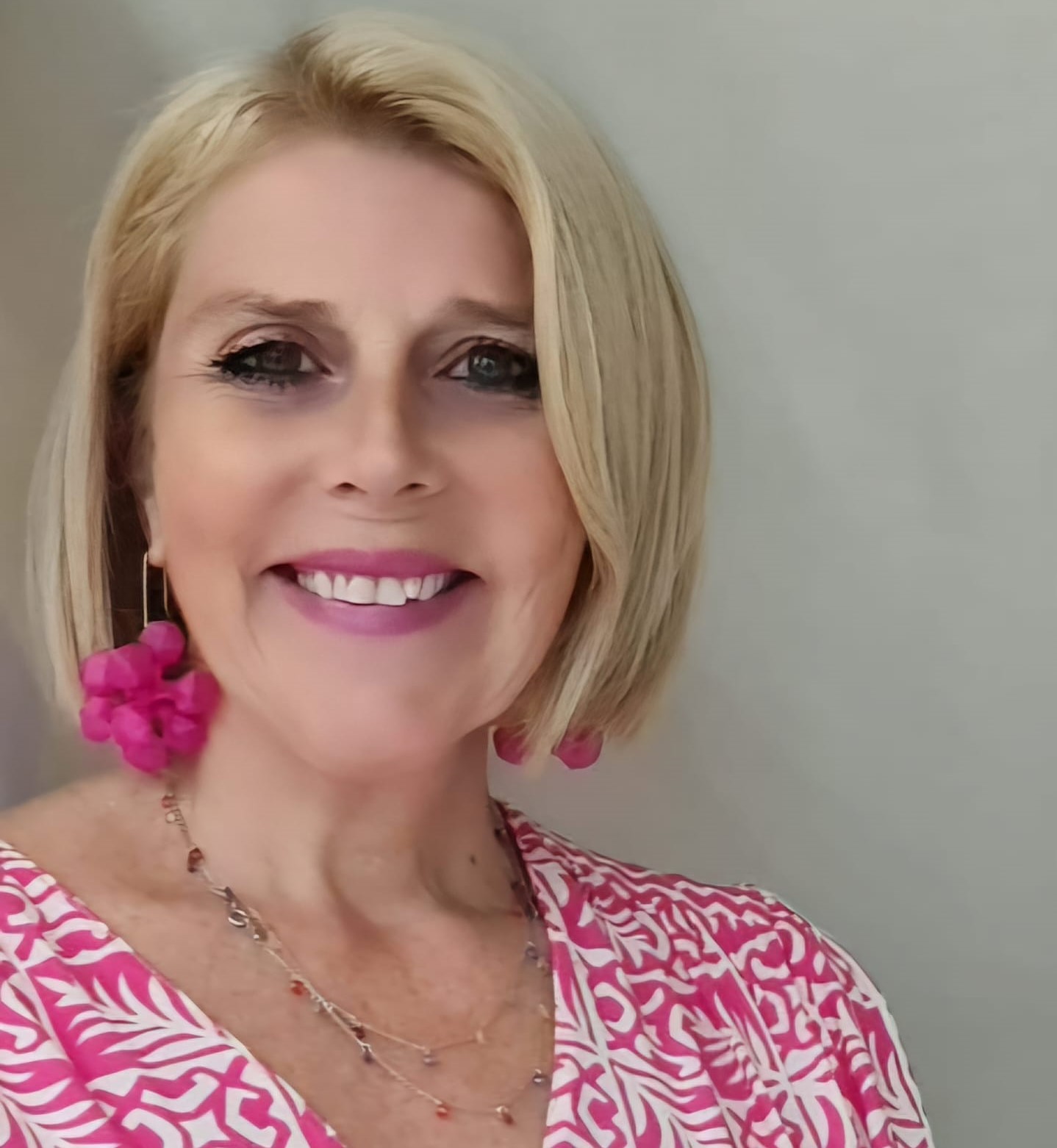
After more than three decades as a therapist, Claudia Davimes has brought out a book called The Joy of Being Wrong: A Pathway to Happiness. The SA Jewish Report speaks to her about it.
What inspired you to write this book?
I worked for 35 years in my practice, and I had much success with my techniques and exercises. My style of working changed as life evolved, and I thought a book would be a great way to encapsulate my work and offer it to a larger audience. About 10 years ago, I started making notes.
My husband, Stephen, passed away in 2018 and, after three years alone, including during COVID-19, I decided to change my life. I sold my home, closed my practice, and decided to move to Israel and write my book.
Although the bones of the book were written in three months, it took another two years to complete because I made aliya just months before the war began in October.
How would you describe your book?
The book is a memoir/self-help book. I have used clients’ stories to illustrate content, but my book is very personal as I wanted to show how I created my way of working and how my personal development ran parallel with my work.
Why do you believe it’s important to be happy?
We experience so many challenges in our lives that we must build what I call a “pantry” to rely on during difficult times. What will sustain us and keep us afloat? Memories and consistent experiences of happiness, joy, fulfilment, and contentment. While they may not be permanent feelings, they are highly nutritional and effective in creating stable mental and emotional health.
What was your “aha” moment in realising the “joy of being wrong” can lead to happiness?
When we are young, we need to interpret and make sense of the world around us. We do this in our family, which is our first social system, then we translate it to the world around us. Who to trust, the politics of gender, power of money, and how to work the system are some of the issues we have to navigate and conclude in our formative years.
These decisions, discussed in my book as dark laws, may include, “It’s best to do things myself and not ask for help”; “Sooner or later, everyone lets you down”; and “It’s a man’s world.”
Initially, these give us direction. But as we get older and they become cemented in our heads, hearts, and actions, they become defence mechanisms, and no longer serve the purpose of protection and support. Then we are caught in the never-ending cycle of “I need to be right, but that means I will be let down, and that means I will be unhappy.”
I began to question my need to be right and, more importantly, the results of being wrong. I took some chances, and dared myself to be wrong about a person or an outcome. Then I asked myself how I felt. Truthfully, a little thrown, a little surprised, and even at times a little embarrassed. I noticed, however, that after a brief spell of feeling weak there was a great change in outcome and a new trajectory in possibilities. I began to experience the freedom of a new conclusion, a sense of being an adult with a fresh perspective. I began to feel the joy!
Joy at being supported instead of let down, the joy of having faith instead of my tried-and-tested jaded view. I questioned my self-sufficiency and martyrdom, and as I deliberately allowed myself to be wrong and let go of the cynicism that had been my life jacket – or so I thought – I began to feel a lightness of being again. I offered this to my clients. I built this into my work, and watched the joy spread. I knew this was my direction, my blueprint, my beacon towards the light.
How big an issue do you believe this is, and what makes it such a big problem?
We would never operate our PC on Windows 73 or 85 in the year 2025. So why would we operate our thinking based on software from childhood? Why would we continue with childhood views even though we are adults? Views that are mostly based in pain, disappointment, woundedness, and hurt.
Yes, we have had those experiences, they are real. As adults, though, we have the chance to jettison a lot of that pain and reduce our addiction and attachment to woundedness. We have the chance to risk being wrong … and being happy.
On the way to being wrong, there’s the crucial step and process of ownership versus blame. I came to understand and believe in the core credo, “You create your reality.” I understood that as a self-sufficient person, I had created a reality that I was familiar with and understood.
Clients, too, were relieved when they saw that thinking like an adult rather than a wounded child brought a different outcome. While we spoke of their past, there was more focus on using our hour together to evaluate and review their week and set up homework.
I believe the real therapeutic value came from the clients’ experience of trying out different techniques and witnessing a shift in their feelings and thinking.
How is your life different now?
The biggest change is that I’m married to an Israeli, speak Hebrew most of the time, and work isn’t the biggest part of my life as it was in South Africa. There, I had a huge, busy practice and worked a full day for 35 years. Now I work mostly online and see clients face to face on a different scale. I have stepchildren in Israel, and I see my children only once or twice a year. I’m also finally together with my sister and very dear friend after 45 years apart!
Why did you choose to launch this book in South Africa, and for whom?
My book was born in South Africa and needed to be launched there too. It was a joyous experience seeing so many of my clients at the launch, and I had the privilege of reconnecting with so many people I had worked with over so many years. South Africa will always be a precious part of my life, and the book belongs to my 60 years there!
What kind of work are you doing now in Israel?
I’m still seeing couples and adults as I always have. I think I’m a wiser and more mature therapist. I feel emigration has taught me a lot and has allowed me to have great empathy with the olim clients I see. I can talk about change and what it entails with personal understanding and humility.
What’s your sense of the psychological situation of Israelis right now?
The country is sadly experiencing its worst chapter in 76 years, and it’s far from resolved. It’s evident that there’s an excess of grief, loss, and trauma on so many levels that it will take many years to dissipate. There’s no time for healing as the situation is ongoing. The plight of the hostages remains the country’s highest level of stress, anger, and conflict. Israel, once again, is regarded as a pariah state, and its isolation and ongoing condemnation takes their toll.
- The Joy of Being Wrong: A Pathway to Happiness is available at certain Exclusive Books; Estoril stores; and from Takealot; Amazon; and on Kindle.