OpEds
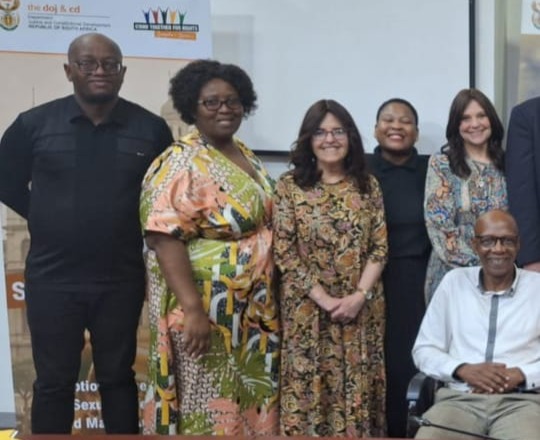
Workshop assists religious leaders navigate sexual abuse

Only a workshop this important could draw two Jewish Glenhazel ladies to Pretoria on a Friday morning for most of the day, resulting in a less-than-perfect Shabbos meal for our families. But it was worth every minute.
In a country where statistics show an alarming number of women and children raped or sexually abused every day, the need for proactive, informed, and compassionate leadership in religious communities has never been more urgent.
In the year ending March 2025, South Africa recorded 13 452 sexual offences, including rape, sexual assault, and attempted sexual offences, according to official statistics from the South African Police Service.
Against this backdrop, a recent workshop hosted by the Department of Justice and Constitutional Development aimed at equipping leaders within the various religious sectors with the knowledge needed to address sexual offences, wasn’t just timely, it was essential.
Koleinu SA has long recognised that religious institutions are both a source of great healing and, at times, deep harm when issues of sexual abuse are mishandled. Without adequate training and systems in place, even well-intentioned leaders can inadvertently cause further trauma or suppress disclosure.
Leaders of shuls, schools, and communal organisations are often the first people survivors turn to. Yet many lack the legal, psychological, and procedural knowledge required to respond effectively.
This workshop filled that gap by educating leaders on the legal definitions and consequences of sexual offences under South African law, and clarifying roles and responsibilities in reporting, referral, and ongoing support for survivors.
It aligns directly with Koleinu SA’s training programmes and policy development work, which aims to standardise responsible reporting protocols and ensure that survivors are protected, not retraumatised.
The workshop underscored a truth central to Koleinu SA’s advocacy: places of worship must be sanctuaries of safety. Leaders were encouraged to establish clear, confidential reporting channels within their communities; foster open conversation about consent, power dynamics, and healthy boundaries; and commit to zero tolerance for abuse regardless of position, seniority, or community pressure.
These principles mirror Koleinu SA’s initiatives, such as our ShulSafe and SchoolSafe programmes, which equip institutions to adopt policies that protect children, teens, and vulnerable adults.
Some cultural and religious narratives can unintentionally silence victims or minimise the seriousness of abuse. Through open dialogue and innovative ice breakers, the workshop created space in which to discuss the issues relevant to all religious communities; ask questions about the law within the framework of sexual offences; and share concerns about the challenges that religious communities face when dealing with issues of abuse.
Through an exercise that involved blindfolding a team member and having the rest of the team instruct them on how to draw an object by describing it but without saying its name, we were given firsthand experience of what a victim going through the court system might feel – vulnerability, fear of the unknown, discomfort at having to put your trust into a stranger’s hands, and the need for sensitive support and guidance.
The workshop was presented at the Department of Justice and Constitutional Development by Naomi Webster, the founder of the Women and Gender Forum at the South African Human Rights Commission. By bringing together religious leaders from diverse denominations, it also fostered inter-sector collaboration by clarifying the Sexual Offences Act within the context of our Constitution. We were able to understand the aim of the law, and how its application dovetails with the overarching aim of the protection of all members of society, particularly the vulnerable. These include anyone under the age of 18 and people who are mentally disabled.
We found it interesting that sexual grooming has now been classified as a criminal act according to the Sexual Offences and Related Matters Amendment Act 2007, provided that certain elements are met. While very difficult to prove, it’s gratifying that strides are being made in recognising grooming as a crime even before it becomes a physical act of sexual abuse. As well as this, the workshop facilitated greater understanding of the sexual offences register and how it functions. It was helpful to be made aware of the fact that individuals can apply in their personal capacity to vet potential employees against the register (justice.gov.za).
Faith leaders are moral compasses. Their participation in this workshop sends a powerful message that the religious sector stands against abuse and for justice. For Koleinu SA, this represents tangible progress toward a community culture rooted in transparency, accountability, and healing. As noted by participant Michael Swaine, from the Freedom of Religion SA organisation, “It reinforced shared commitment to creating safe spaces for all, especially children and the vulnerable, while upholding the values that faith communities stand for.”
Koleinu SA came out of the day with new respect for the work done by the Department of Justice and Constitutional Development to position religious institutions as places of refuge with informed, compassionate, and courageous leadership. And please don’t worry, our families didn’t starve over Shabbos.
- Wendy Hendler is the co-founder and director of Koleinu SA, the helpline for victims of abuse in the South African Jewish community. The helpline number is 011 264 0341, operating on Sunday to Thursday, from 09:00 to 22:00, and after Shabbat until midnight.