


Religion
A community never dies

The Mishna teaches that “If I am not for myself then who is?” and “If I am for myself then what am I?” Is that not a contradiction?
Each of us is an individual with our own story and our own pekkel. Regarding this part of our lives we must remember that “If I am not for myself then who is?”.
At the same time, the individual is part of the Jewish nation. Klal Yisrael is something far greater than the sum, or partnership of individuals. Regarding this dimension, the Mishna says, “If I am for myself, then what am I?”
The halacha is that a mitzvah of the community overrides the mitzvah of the individual. This is not only an issue of majority versus minority. Rather, it is because the community is eternal whereas the individual is not.
This is why the laws of Aveilut are suspended or removed when a yomtov arrives. The same person who has a mitzvah to sit shiva, has a communal mitzvah to celebrate the yomtov. And, more importantly, by celebrating the yomtov, the mourner celebrates the dimension of the deceased that never died. This is also the reason we recite Yizkor on yomtov. By saying Yizkor we are acknowledging that that soul is as much a part of the yomtov as ever.
This is perhaps the meaning of what our sages teach, “Tzibur lo meit (a community does not die).” A tzibur, a true Jewish community, lives on.
At first glance, this seems difficult to understand. We see communities disappear throughout history. We visit abandoned shuls in Europe that now serve as museums, libraries, or concert halls. Surely communities can die?
The answer is that Chazal were teaching us something much deeper. A community is not defined by bricks and mortar. It is not even defined by a name or an address. A tzibur is the klal. It is defined by the people who accept responsibility for one another and who gather to serve Hashem together. As long as that spirit remains alive, the community itself lives.
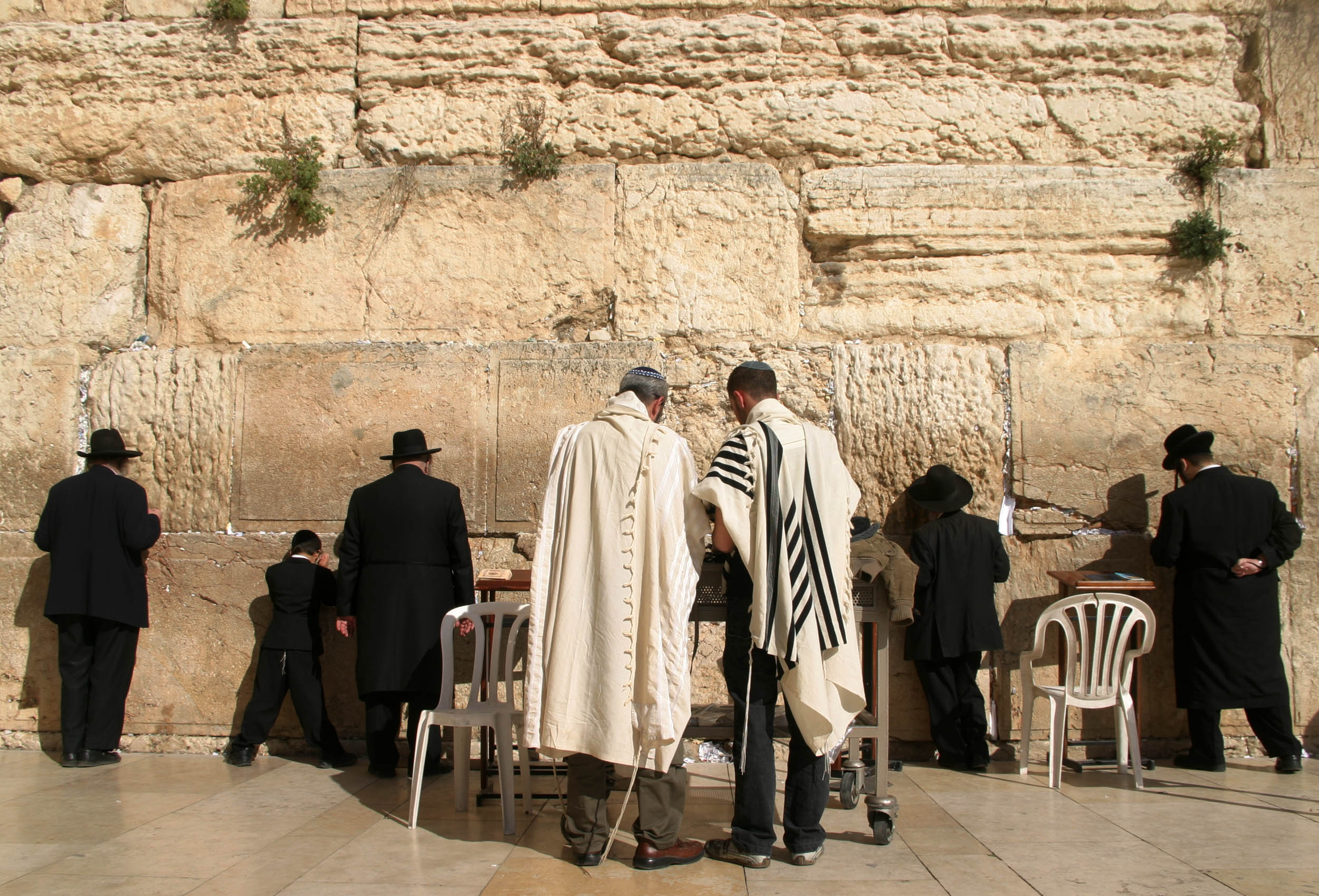
Every Shabbos morning, the Shechinah rests where Jews gather to daven. Every act of kindness between members strengthens the community. Every person who answers “Amen”, every child who joins the children services, every volunteer who prepares a Kiddush, or stands on shmirah, every person who simply walks through the door to make a minyan – these are the true bricks from which a Jewish community is built. Buildings may change. Addresses may change. The Mishkan itself was portable! The life of a community never depends upon its walls. It depends on the participation of its members. The future of a community belongs not to the spectators but to the participants.
This Rosh Hashanah ask yourself, “In what way can I connect myself to the eternal klal?”
Wishing you ketivah v’chatima tova L’shana tova umetuka.
- Rabbi Azriel Uzvolk is the rabbi of the Victory Park and districts Hebrew congregation.