





Religion
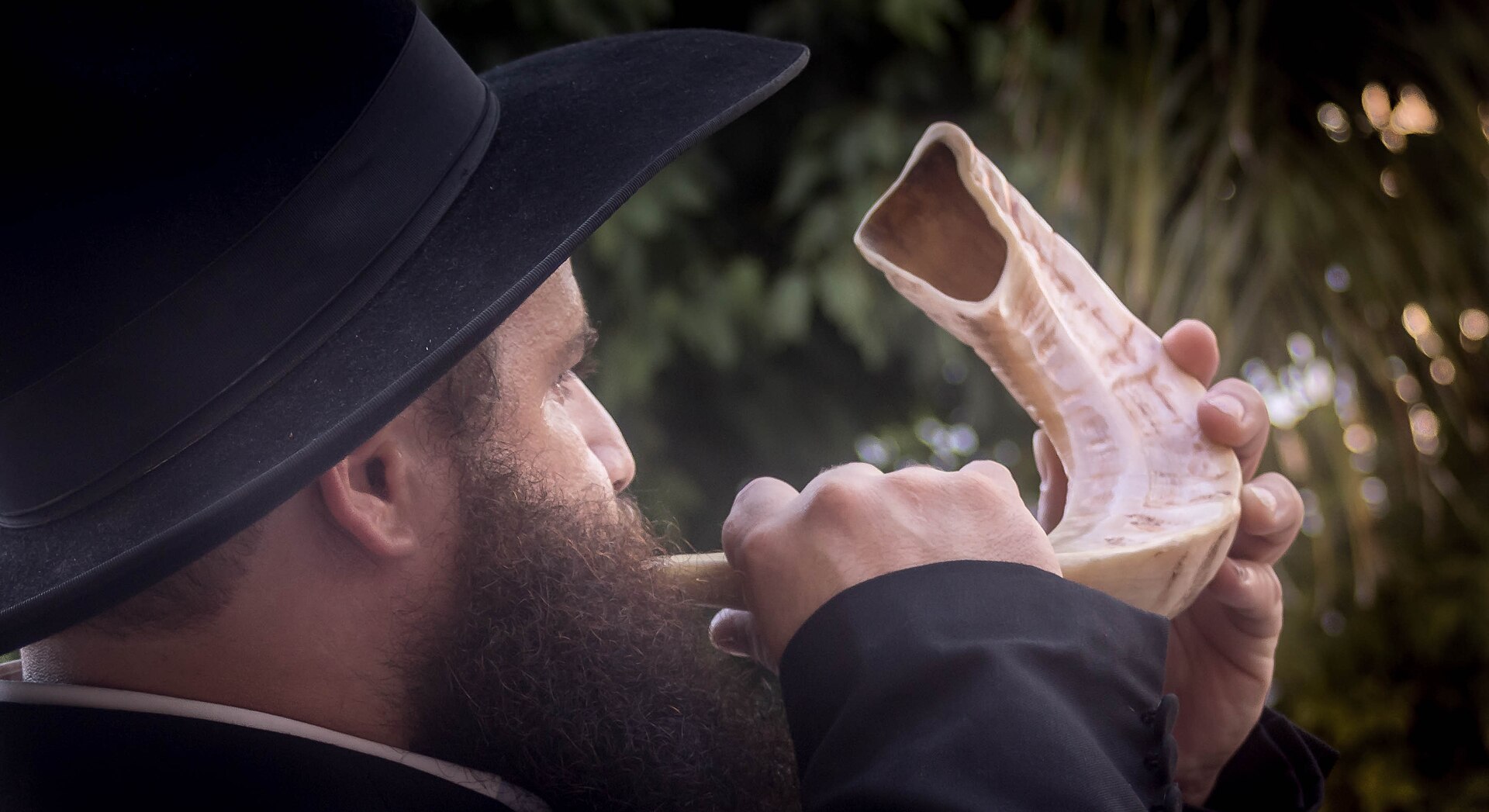
Choosing to hear the shofar

Having just moved to Johannesburg, I have found here many of the aspects that made me deeply love Brazil, my home country, and its people: the same creativity and warmth, and a resilient force moving both countries forward despite the challenges.
I have also found some of the same problems Brazilian cities face, including favelas there, townships here, and homeless people living on the streets under the worst possible conditions. Here and there, taking a walk or driving for a few minutes and facing this reality is enough to undo us.
So we develop defences. We build thick skin around the heart, a sort of armour to prevent us breaking down at every corner. What allows us to keep living also makes us insensitive to the suffering of others. The Torah offers an image for this problem. In Devarim 10:16, Moshe speaks of the orlat levavchem, the “thickening about your hearts”, which must be cut away. The image suggests that something can grow over the heart and dull its capacity to respond.
The Torah says very little about Rosh Hashanah. It doesn’t call it a new year, speak explicitly of judgement, or mention teshuvah (repentance). It gives us t’ruah, the sounding of the shofar, and very little explanation of what that sound is meant to do. During Elul, I tend to hear the shofar as an alarm clock, calling us towards cheshbon hanefesh, the process of taking account of our lives. On Rosh Hashanah, I am interested in another quality of the sound. It can reach places that words and resolutions don’t easily reach.
The Talmud asks what kind of sound a t’ruah is and connects it with yevava, a cry, through the biblical description of Sisera’s mother waiting at the window for a son who will never return. A later tradition associates the hundred blasts of Rosh Hashanah with her hundred cries, the sound of a human being at a moment of deep vulnerability.
A Chassidic tale tells of a disciple of the Baal Shem Tov who, having trained for years, forgot the kavanot with which to sound the shofar and, weeping, sounded it as best he could. Satisfied, the Baal Shem Tov told him that the Divine palace has many chambers, each with its own kavanah to open its gate, but a broken heart is like an axe that can break through every gate.
Tehillim 34:19 teaches that “G-d is close to the broken-hearted”, but most of us cannot live with our hearts constantly broken open. We need protection. Yet the protection can become so thick that almost nothing reaches us. Perhaps the cries of the shofar act like that axe, cracking the armour we have built and helping us register another person’s pain, and our own.
When we reach Yom Kippur, we strike our chests as we recite Vidui. If the shofar has made the heart more exposed, that gesture may meet something still capable of feeling what we have learned not to see around us, and of recognising what we need to confess. Something in our preparation for Yom Kippur would be missing without that.
That matters particularly this year, because the first day of Rosh Hashanah falls on Shabbat. Jewish communities have generally refrained from sounding the shofar when the festival falls on Shabbat. The mitzvah itself is biblical, and the Talmud acknowledges that according to Torah law the shofar may be sounded on Shabbat. The prohibition is rabbinic, based on the concern that someone who did not know how to sound it might carry a shofar through a public domain while taking it to an expert. Even within rabbinic tradition, the restriction was not absolute, though. The shofar continued to be sounded in the Temple, and Rabban Yochanan ben Zakkai later preserved its sounding in places with a beit din.
At Bet David, as at some other Progressive congregations, we will sound the shofar this Rosh Hashanah. We take seriously the rabbinic concern that led generations of Jews not to sound it on Shabbat. Yet we are also weighing that concern against what we believe the shofar itself accomplishes. Its cries can penetrate the thickening around our hearts, restoring some of our capacity to feel our own failures and the suffering of those with whom we share this world. Giving up those cries would therefore mean giving up something we believe is essential to the spiritual work of Rosh Hashanah and to the journey that carries us from there to Yom Kippur.
This year, we have chosen to hear them.
- Rabbi Rogério Cukierman is the rabbi at Bet David in Sandton.




Mel Kur
September 10, 2026 at 5:19 pm
Beautiful message