





OpEds
Don’t drink and drive!

Negligence is serious. Even an “innocent” mistake requires some atonement.
Some years ago, I was driving down an empty and very wide road in Johannesburg, tempted to go beyond the speed limit.
Unfortunately, a traffic cop was waiting for me, and was ready to give me a ticket. I tried to convince him to let me off. I said, “I’m a rabbi. I don’t drink. I don’t smoke. I don’t gamble. I don’t mess around. So, occasionally, I may speed a bit. Do you have to make such a fuss?”
Sadly, all my charm was wasted. The officer, who had no sense of humour, wrote out the ticket without even cracking a smile. I cannot say that I’ve completely changed my errant ways, but this week’s Torah reading does give some pause for thought.
In the second of the two readings, Massei, we have the commandment to establish cities of refuge across the land of Israel (Numbers 35). These were to provide safe haven for one who may have been guilty of manslaughter. If someone killed another person accidentally, for example, it wasn’t premeditated murder but unintentional, he is given the opportunity to escape the vengeance of the victim’s relatives by finding shelter in one of these designated cities of refuge.
There’s another purpose for the cities of refuge. Besides providing physical safety and security, they offered spiritual atonement for the perpetrator. While it may have been an accident, there may also have been a degree of negligence on his part.
Later, in Deuteronomy, the Torah gives a classic example. If a person is chopping wood and the blade of his axe flies off the handle and strikes someone nearby, killing him, the woodchopper will go to the city of refuge.
Now, obviously, this is an accident. You couldn’t make that happen even if you tried hard to do so. Why then is he required to leave his home and go to the city of refuge? The answer is because there was a degree of negligence. He should have checked how secure the blade was in the axe before he started swinging it. He therefore needs to be exiled to achieve atonement for his mistake that tragically took the life of another human being, even though it was done inadvertently.
There’s an important message here. Yes, mistakes happen, though if we are more careful with our actions in the first place, then perhaps we might avoid such instances. Even if an act is unintentional, we still bear a measure of culpability, as there was some negligence involved. We could have paid better attention to the task at hand and prevented the mistake from happening in the first place.
Just because something is an “accident” doesn’t necessarily mean that the person responsible is completely innocent. Sometimes, it may have been completely unavoidable, in which case they are indeed blameless; at other times, it may be that there was clear evidence of negligence, in which case they aren’t all that innocent.
Some mistakes are much more serious than others.
I recall walking home from synagogue one Friday night with my children, who were then still quite young. To get home, we had to cross a very busy street. That Friday night, there were two cars drag racing at high speed down this street. At the very last second, I managed to yank my son back onto the sidewalk just in time, literally, to save his life. Now, if, G-d forbid, there had been a crash, would that be considered an accident? Would those drag racers have made an innocent mistake, or would we consider them virtual attempted murderers?
If someone drinks and drives, and kills someone on the road, is that an accident? That’s not manslaughter; he’s criminally negligent. In some countries, it’s known as “culpable homicide”.
Such a person wouldn’t be deserving of the city of refuge. His crime is too severe; his negligence and recklessness are above and beyond.
On the other hand, if you’re sober and driving within the speed limit, and a person runs out into the middle of the road and you unavoidably hit them, it may not be negligence at all. Clearly, the negligence was on the part of the person who ran into busy traffic.
These are the two extremes. The city of refuge was made for the in-between cases, where some degree of negligence was involved, but certainly not enough to be considered reckless or grossly irresponsible.
The message here is that negligence is serious. Even an “innocent” mistake requires some atonement.
I guess we could all learn to be more careful. Saying that something was an accident isn’t really a good excuse.
What suggestions apply to today’s times? Make sure that everyone’s seat belt is fastened before starting the car? Ensure that you have fencing around your swimming pool? It’s not enough that we don’t “drink and drive”. I suppose we should try harder not to speed. Me too.
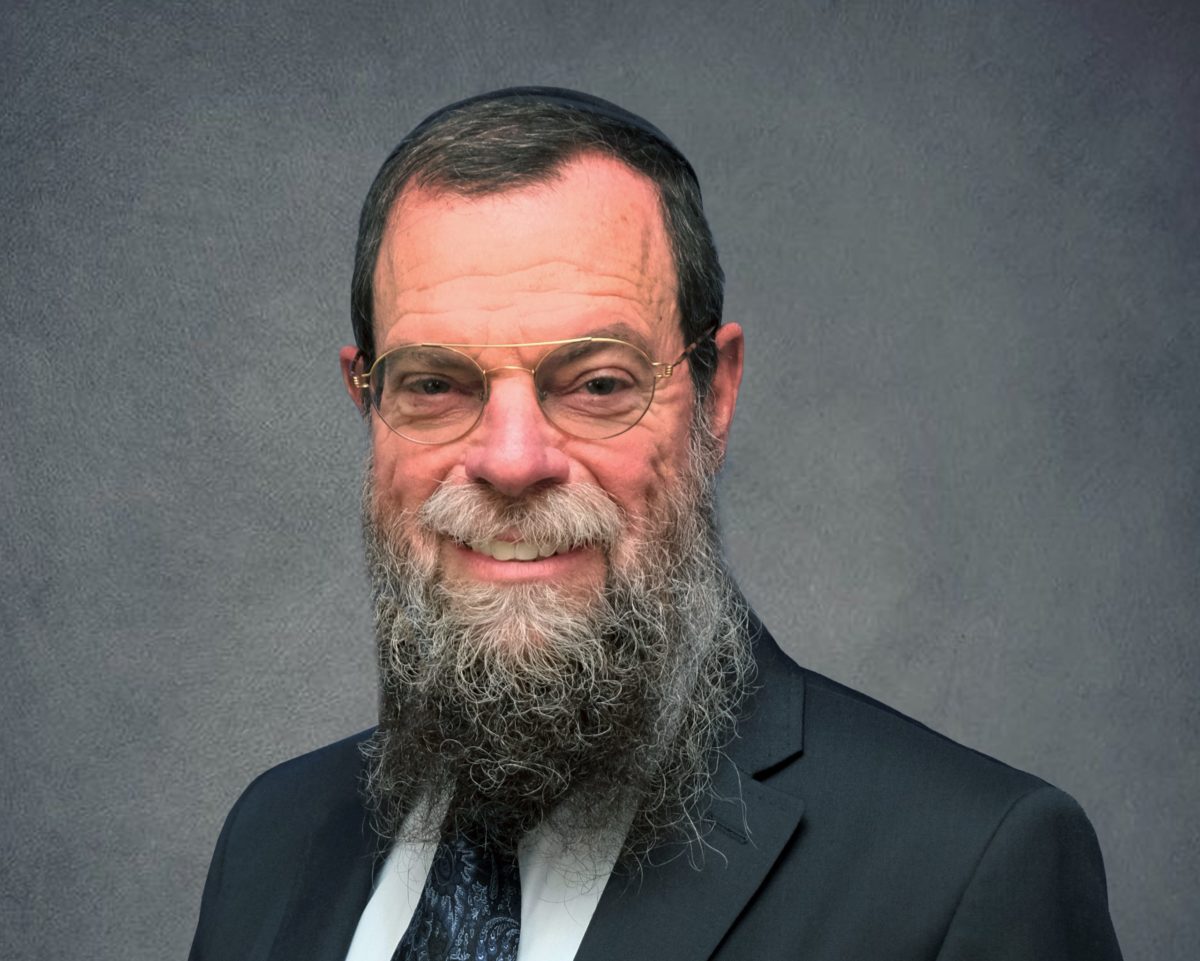
- Rabbi Yossy Goldman is life rabbi emeritus of Sydenham Shul in Johannesburg, and president of the South African Rabbinical Association.







Percy Ruch
July 22, 2025 at 5:21 pm
Even though I live thousands of miles away from Johannesburg, and the last time I personal heard Rabbi Goldman speak in person was in 1983. I love to read Rabbi Yossy Goldmans articles. He has aways inspired me.
Thank you Rove.
Thank you Rove.