


OpEds
Good Sabbath, South Africa

South Africans know, in their bones, what it means to be oppressed because of who you are. They learned that lesson at a terrible cost, and they are not about to repeat it.
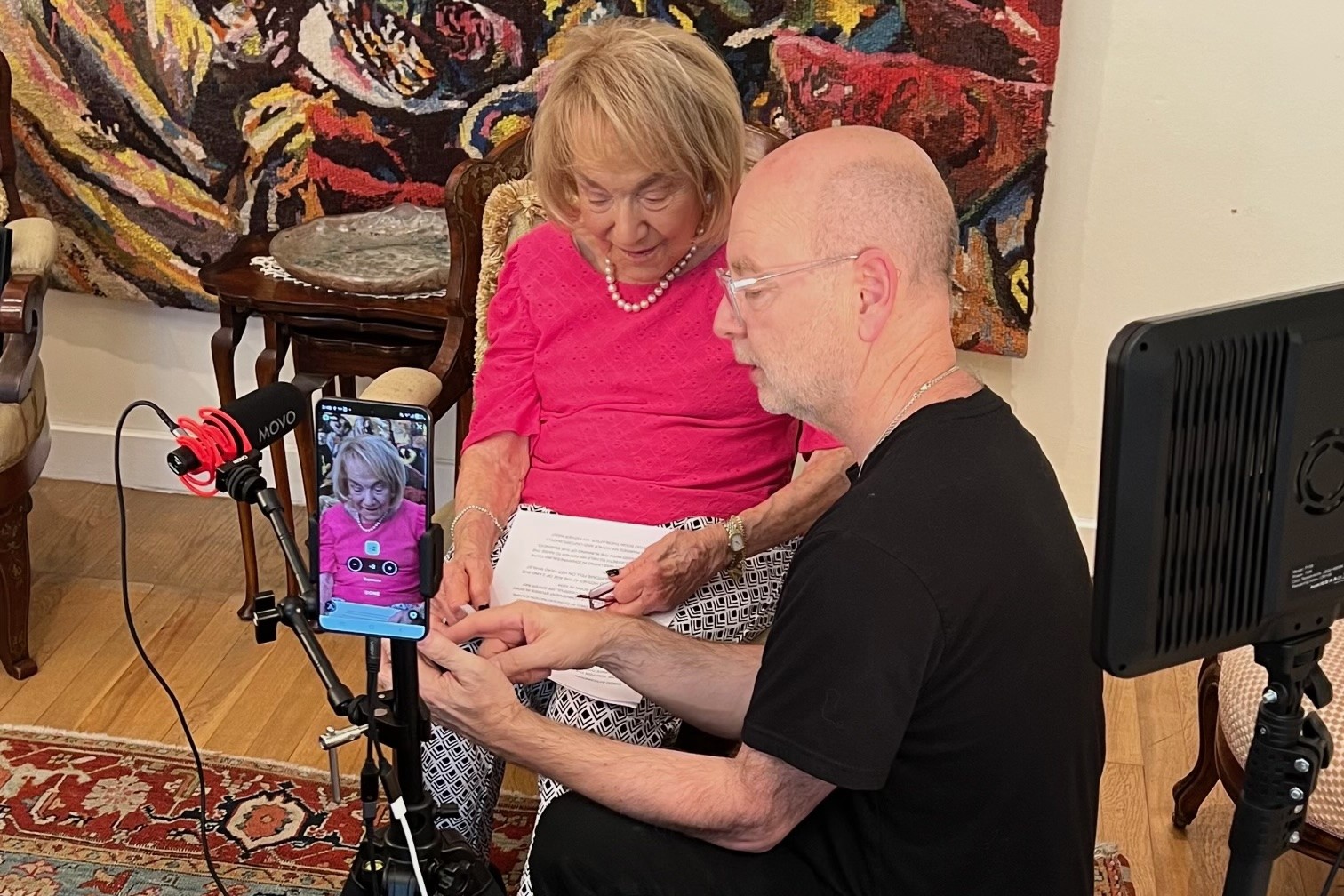
Recently, I spent two weeks in South Africa. Wherever I travel, I take the opportunity to film Jews for the new platform Our Jewish Story. There are always surprises. I wasn’t ready for this one.
Since 7 October, South Africa has been in the news for all the wrong reasons. Hamas murdered around 1 200 people on that day, most of them Israelis. Less than three months later, on 29 December 2023, with Israel’s ground offensive in Gaza only weeks old and its outcome far from known, South Africa brought a case of “genocide” against Israel at the International Court of Justice.
The case remains open. The court’s interim orders called on Israel to prevent acts that could fall under the Genocide Convention, and a final ruling is years away. To many Jews, and to the State of Israel, the case looked pre-emptive and one-sided. South Africa brought no case against Hamas. It read as antizionist and, to many, as antisemitic.
So I landed in Cape Town expecting the worst. I had just come from interviewing embattled Jews in Australia. I expected a community under duress, squeezed by a government hell-bent on making Jewish life a misery. I pictured Palestinian flags waved in the faces of Jewish neighbours, synagogues fortified like Fort Knox, Stars of David tucked beneath shirts.
Nothing could have been further from the truth.
That is not to say antisemitism is absent in South Africa. It is a pernicious, persistent virus, found in most places on earth. But it is not evenly spread, and where it shows up – and doesn’t – can surprise you.
To understand the government of South Africa, still led by the ANC, you have to understand its history. During the struggle against apartheid, the ANC first looked to the West for support. None came. The ANC had taken up armed struggle against the National Party’s racist regime, and it stood shoulder to shoulder with the South African Communist Party (SACP). To a fiercely anti-communist West, and to Britain, the old colonial power, it was too hot to handle. Israel, meanwhile, armed and trained the apartheid state.
So the ANC looked east. The Soviets were glad to help. The Palestine Liberation Organization saw a kindred movement, one also prepared to use every means, violence included, to win. Those bonds were forged in exile and they ran deep.
Today an ANC that has lost its grip on South African voters is nevertheless repaying the Palestinian cause for its loyalty by trying to hold Israel to account. For those who equate antizionism with antisemitism, the logic seems obvious: a Jewish community under an antizionist government must be oppressed.
Not so.
South Africans know, in their bones, what it means to be oppressed because of who you are. They learned that lesson at a terrible cost, and they are not about to repeat it. Politics in The Hague is one thing. How you treat your neighbour on the street is another.
For two weeks I wore my bright silver Magen David over a black T-shirt. Everywhere I went, I was greeted with a smile and respect.
I sat with young Jewish professionals as they described their new project Relo-Cape. It’s a relocation programme for Jews who want to leave the antisemitism of Europe but aren’t ready to make aliya to an Israel still at war. The offer: affordable housing in Cape Town, one of the most beautiful cities on earth, help with visas, Jewish schools, vibrant Jewish life. And, they add, no antisemitism to speak of.
Think about that. While Jewish communities in London, Paris, and Sydney are hardening their doors, Jews in Cape Town are opening theirs.
None of this excuses the case in The Hague, or the way it has been used to stoke hatred elsewhere. But it should make us more careful about the story we tell ourselves: that antizionism always equates to antisemitism. South Africa complicates that story. It may even be its quiet exception, a safe haven hiding in plain sight.
On Friday afternoon I left a meeting with a former senior leader of the ANC. We had not discussed my Jewish identity, but he had seen the Magen David on my neck. As he stood to leave, he wished me, unprompted, “Have a good Sabbath.”
As I walked away from this former member of the SACP, a hero of the fight against racial oppression, I held back a tear. Good Sabbath indeed, South Africa.
- Stephen D Smith is co-Founder of StoryFile and a director of Memory Workers.