Lifestyle/Community
How Jews got their surnames

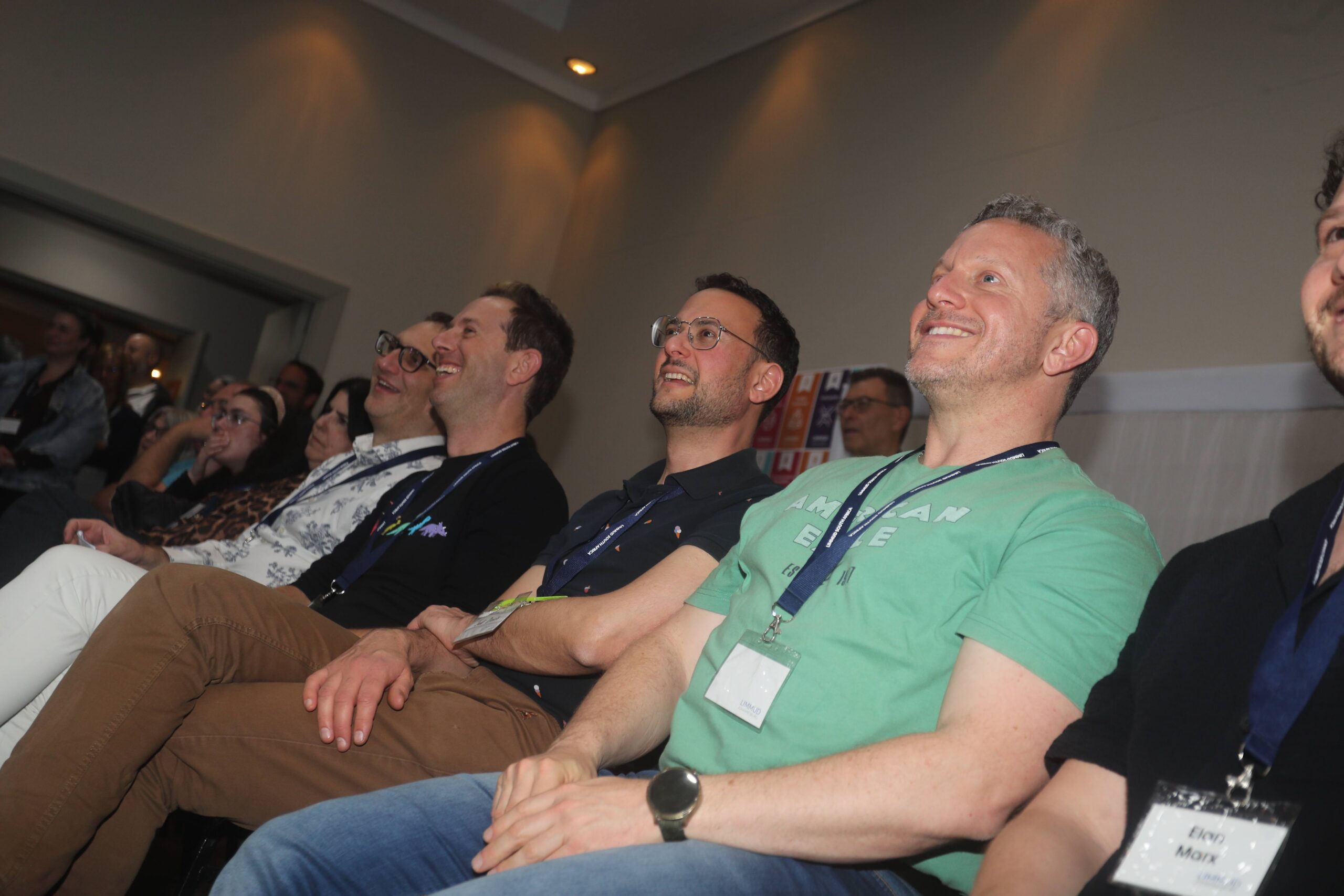
Goldsteins weren’t necessarily in the gold business, Rosenbergs didn’t come from a mountain of roses, and Eisenfelds certainly weren’t growing iron in fields. Some of the surnames we immediately recognise as Jewish are, it turns out, not quite the historical clues we might imagine, Professor Sarah Bunin Benor said at Limmud Johannesburg this past weekend.
Bunin Benor, director of the Los-Angeles-based Jewish Language Project at Hebrew Union College, said, “If their name is Weisberg, it doesn’t mean they grew up near a white mountain. It just means that these names sounded cool.”
Most common among Ashkenazi Jews, these “ornamental names” could combine colours, flowers, animals, stones, mountains, and other words.
Behind these sometimes wonderfully random combinations lie centuries of Jewish history.
“Traditionally, Jews didn’t have hereditary family names,” Benor said. “They just went by their first name, son or daughter of their father.” That began to change in the 13th century. “Sephardic Jews in Spain and Portugal did acquire hereditary surnames. That was the first group to do so.”
For Ashkenazi Jews, the shift came much later. “It really was in the late 18th century, early 19th century that most Ashkenazi Jews acquired their names.” Governments increasingly needed to identify individual families for “taxation, conscription, and education”, and while families sometimes chose their surnames, “sometimes it was the authorities that assigned a name to a particular person”.
Those names came from an extraordinary variety of sources. Some were based on fathers, with suffixes such as “ovich” meaning “son of”, while others came from mothers. “You have Frumkin, child of Frumet, or Frumke; Dworkin, child of Dvorah; Rickles, child of Rivke; Beiles, child of Beile,” Benor said. Occupations provided another source, including distinctly Jewish roles such as Melamed, meaning teacher; Gabai, a synagogue administrator; Chazan, meaning cantor; and Shochet.
Other surnames effectively provide a map of Jewish migration. Geographic names don’t necessarily tell us where someone lived when the surname was adopted. “It’s where they had previously come from,” Benor said. Vilner could indicate a connection to Vilnius, while Iranian Jewish surnames include Hamadani and Tehrani. Among India’s B’nai Yisrael community, many surnames are based on villages where families previously lived.
Even nicknames could become permanent. “If you had two different Yaakovs in a town, one was tall and one was short, they might be Yaakov Gross and Yaakov Klein. And so those became their surnames.”
Religious identity is also embedded in surnames. Cohen and its variations are associated with the priestly caste, while Levi and Levine reflect Levitical ancestry. Sometimes the connection is less obvious. Kaplan, Benor said, means chaplain in German, but became a common name for Kohanim. Katz has an even more hidden Jewish meaning: though it also means cat, it is an acronym connected to “a righteous Kohen”.
Surnames also reveal how Jews tried to fit into the places they went. “Sometimes people did this to make it easier to pronounce their names, but often it was a response to antisemitism,” Benor said.
In the United States, changing an identifiably Jewish surname could help Jews overcome discrimination and improve their socioeconomic prospects. “They enabled upward mobility. They allowed Jews to choose when to identify as Jewish and when to not identify as Jewish,” Benor said. This didn’t mean turning away from Judaism. “There’s this other myth that, ‘Oh, they changed their names, that means they left the Jewish community.’ That is not true.”
South African families have their own stories of surnames being altered. During the Limmud discussion, one person described a family name, Kotanas, becoming Cotton, while another said Labovich had been shortened to Lab. Benor said such changes were often made to make names easier to pronounce, though antisemitism might also have played a role. She said she didn’t know of any research specifically into South African Jewish name changes, leaving an intriguing part of our community’s history still to be explored.
Today, a surname may not immediately identify someone as Jewish, but for those who understand its origins, it can contain generations of history. “Many Jews don’t have identifiably Jewish surnames because of name changing and later because of intermarriage,” Benor said. Yet “surnames remain important ways that Jews identify themselves and others as Jewish”.
“There’s also unity and diversity in Jewish naming practices around the world and throughout history,” she said.