Sport
Only three athletes to fly SA flag at Maccabiah

When thousands of Jewish athletes gather in Israel for the Maccabiah Games in July, South Africa’s presence will be unusually small. Although the country has a proud history of sending large delegations to the event, this year just three athletes will carry the South African flag.
Often dubbed the “Jewish Olympics”, the Maccabiah Games is the largest Jewish sporting event, bringing together athletes from around the globe every four years in Israel. To date, Team Maccabi South Africa has sent 3 486 people to 19 Maccabiah, winning an impressive total of 827 medals, including 288 golds.
But Maccabi South Africa decided in May to withdraw its junior delegation from the Games due to security concerns, international withdrawals, and mounting logistical challenges, thereby losing three-quarters of the delegation.
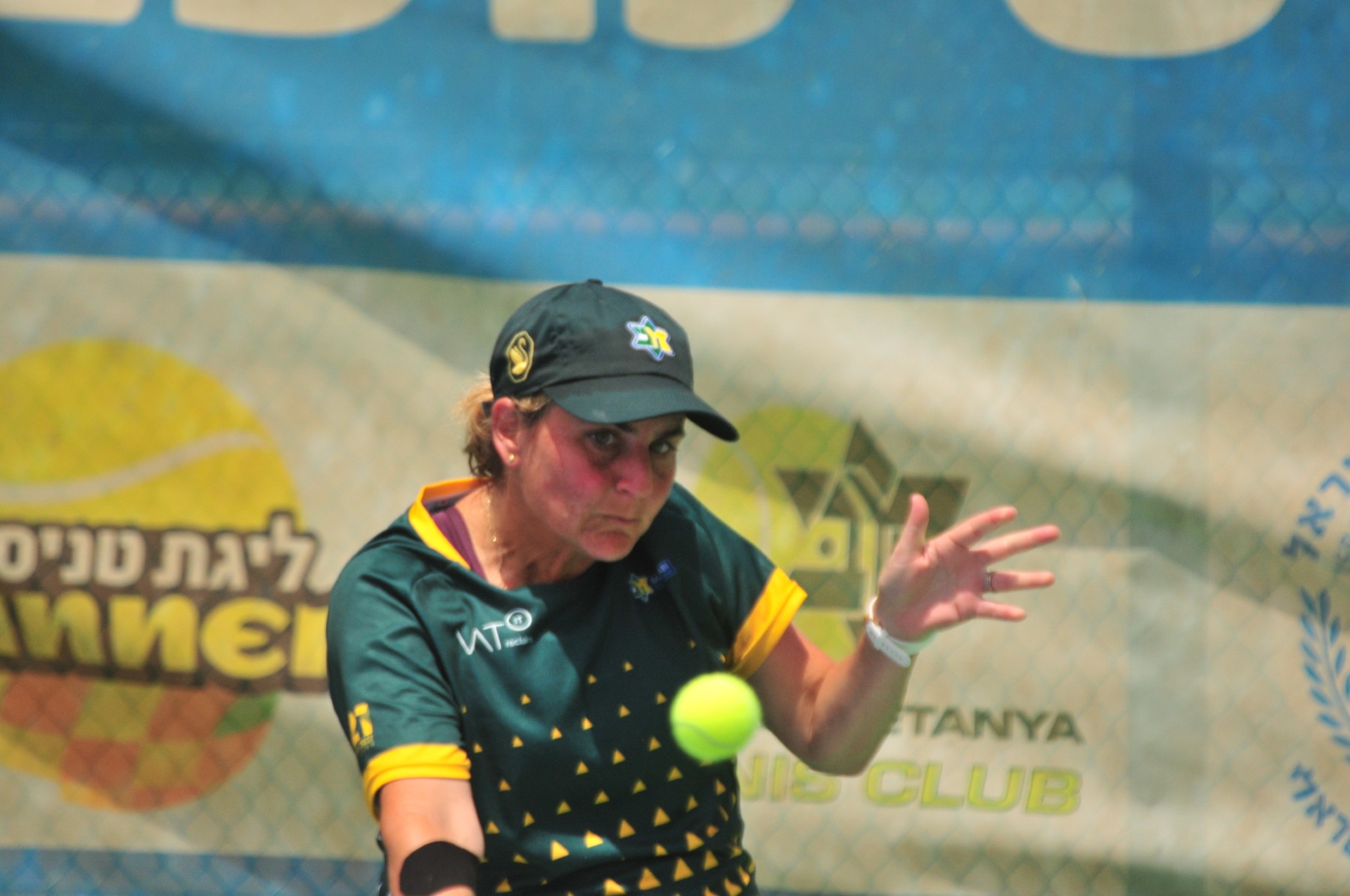
Only masters tennis player Jacqui Boyd and padel partners Yechiel Hummel and Chad Gaddie are now hoping to make South Africa proud.
Maccabi South Africa chairperson Cliff Garrun said the withdrawal of delegations from some countries, as well as travel and insurance restrictions, had had a significant impact on the viability of several tournaments. Because a minimum of three countries is required for an event to take place, several competitions were ultimately cancelled.
“The Australians, the Canadians, and the Brits pulled out, and they play very similar sports to our guys, so a lot of the competitions didn’t become viable,” he said. Although South Africa had selected open rugby and cricket teams, those tournaments fell apart after competing nations, including Great Britain, withdrew from the Games.
“Even though the Brits and the Australians had a lot more Opens and Masters, they would probably have a few more people drifting in for those age groups. We have always traditionally concentrated on taking juniors,” said Garrun.
Roy Hessing, chief executive of Maccabi World Union, explained to the Jewish News Syndicate that despite ongoing regional tensions and travel challenges facing some international delegations, the Games are still going forward, with an estimated 3 100 athletes from abroad and 2 000 from Israel to compete in 45 sports from 1 to 14 July at venues across Israel.
“The only time the Maccabiah was ever cancelled was during the Holocaust,” Hessing said. “This is an important message for Israel, the Jewish community, and our neighbours that it must go on.”
Boyd is getting ready to compete in her sixth Maccabiah. Her legacy began more than three decades ago when she first represented South Africa as a wide-eyed 14-year-old at the 1993 edition of the Games, making her the country’s youngest competitor at the time. Since that unforgettable debut, she has been a fierce, proud competitor.
Over five appearances, spanning from her youth to the open category and later transitioning into the masters, Boyd has established herself as one of South Africa’s most decorated tennis players, with a total of nine medals to date.
For Boyd, competing this year goes far beyond sport. It is a vital opportunity to show unwavering solidarity, resilience, and support for the State of Israel during one of the most challenging chapters in its history.
For Hummel and Gaddie, this is their first Maccabiah competing as a pair in padel.
“It is our biggest international event in Israel since 7 October,” Hessing said. “It sends an important message that Israel is a safe place and that we are happy to host all teams and performers —and that we are waiting for you to come to Israel.”