





OpEds
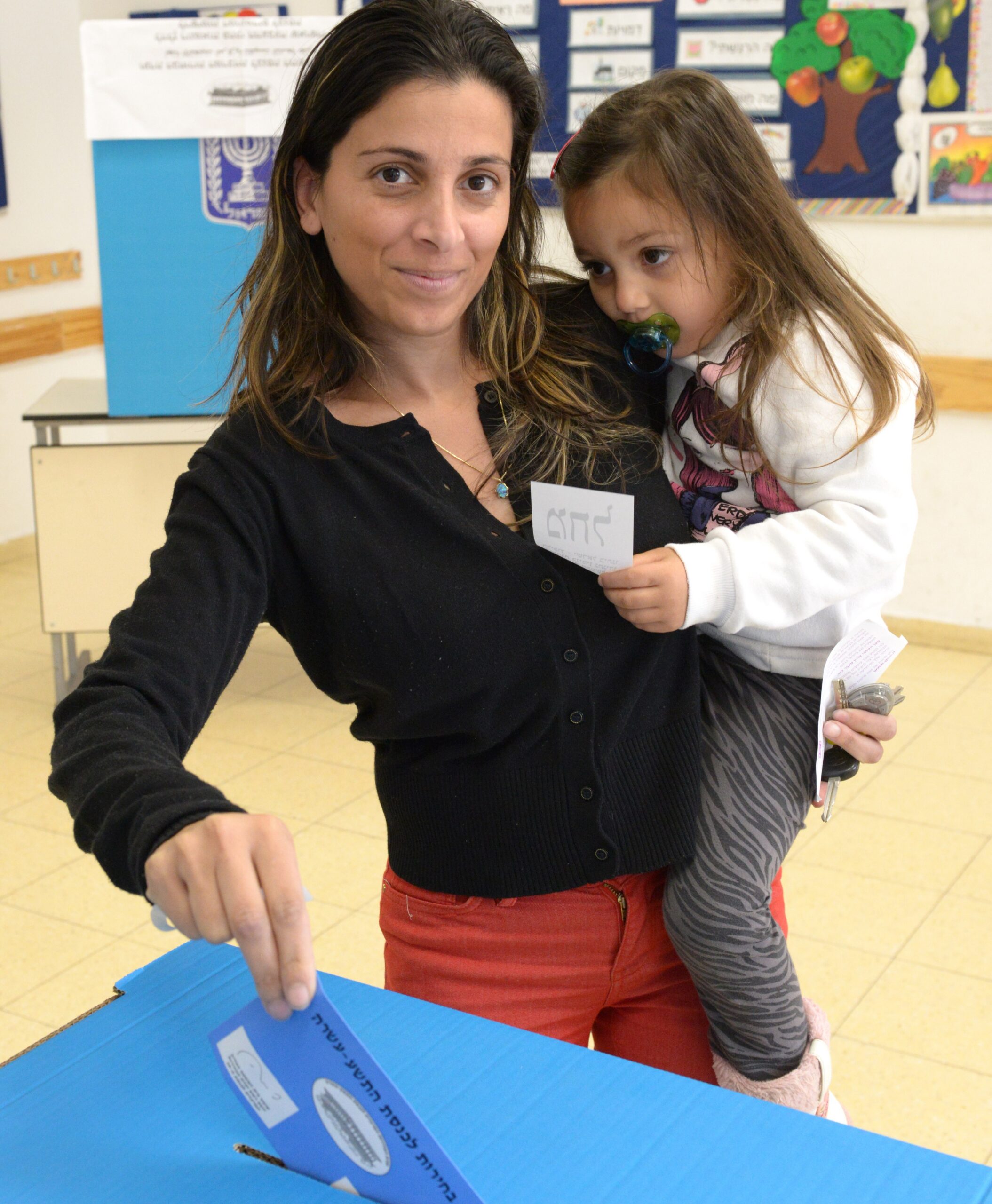
Elections will show Israelis’ verdict on the war

I’ve covered more Israeli elections than I can remember. I’ve stood inside party headquarters waiting for exit polls, interviewed jubilant supporters celebrating victory and politicians trying to explain defeat. While every political campaign has had its defining theme ‒ peace, terrorism, the economy, corruption, judicial reform ‒ security has always been the underlying issue. But this time it isn’t just part of the conversation; it is the conversation. What’s more, for the first time, the shadow hanging over the campaigns isn’t simply a rival political party. It’s Hamas.
Hamas won’t appear on the ballot paper when the country goes to the polls later this year. Yet it may prove to be one of the election’s most influential players.
Elections are rarely decided only by the names on the ballot paper. They’re shaped by the questions voters ask.
Netanyahu wants Israelis to ask, “Who can keep us safe?” His opponents want them to ask who allowed 7 October to happen, and why there still hasn’t been full accountability. Former hostages and many bereaved families are asking whether the deal that eventually brought everyone home could not have been reached earlier? But there’s another question and Hamas has ensured it hangs over this election: Did Israel actually win?
Elections are never just about policies. They’re as much about emotion: fear, anger, hope, trust. In this election, the overriding emotion is trust ‒ trust in political leaders, the military, intelligence, and in the promises made after 7 October.
Hamas almost certainly doesn’t care who becomes Israel’s next prime minister. Its interest is far simpler, that whoever wins inherits an extraordinarily difficult reality. Gaza is devastated, Hamas remains armed, and there is still no agreed plan for governing the Strip or securing it after the war. This uncertainty alone serves Hamas’s interests and the approaching election gives it every reason to prolong that uncertainty.
But not everyone agrees on Hamas’s motives. Some analysts believe it is deliberately trying to deny Israel a clear political victory. Others argue its overriding priority is simply survival and that any effect on Israeli politics is incidental rather than intentional. This is an important distinction and we shouldn’t invent a Hamas master plan unless the evidence supports it.
Earlier this month, Hamas announced it had dissolved its de-facto civilian government in Gaza and was prepared to transfer day-to-day administration to a committee of Palestinian technocrats. It did not, however, agree to disarm. Surrendering the machinery of government isn’t necessarily the same as surrendering power, so while Hamas may be prepared to relinquish the burden of running Gaza, it will still retain enough military and political influence to shape what happens there. If this proves to be the case, Israel’s next government will inherit a problem that military force alone cannot solve.
For years Israeli leaders promised to dismantle Hamas, but remove Hamas and another set of questions immediately follows. Who governs Gaza? Who keeps order? Who pays to rebuild it? Who stops another armed group filling the vacuum? These questions are just as important as the military campaign itself and no political camp has produced a universally accepted answer.
Iran inevitably forms part of this election too. Its financial, military, and technical support for Hamas is well documented, but the relationship is more complicated than often portrayed. Hamas has never relied solely on Iran, also generating revenue inside Gaza, raising money through international financial networks, and benefitting from other forms of external support. Qatar’s assistance to Gaza, for example, was largely channelled through approved civilian and humanitarian programmes and should not be confused with Iran’s military backing of Hamas. Their relationship has always been driven more by shared interests than shared religious identity.
The October election will therefore be about much more than Gaza. It will be a judgement on Netanyahu’s broader security doctrine and his handling of Iran and the regional network it has built over many years. Netanyahu will argue that only his experienced leadership can confront these threats, while his opponents will argue that, after years of presenting himself as Israel’s indispensable protector, he did not prevent the worst security failure in the country’s history.
For Hamas, the irony is that while it rejects Israel’s legitimacy, it benefits from the pressures created by Israeli democracy. Elections force governments to defend their decisions and turn military campaigns into political judgements, and national trauma into debates about responsibility, leadership, and the meaning of victory. But there is a danger in giving Hamas too much credit. The organisation did not create Israel’s political divisions, although it has undoubtedly benefited from them.
I’ve watched Israeli elections shaped by peace talks, suicide bombings, corruption scandals, economic crises, and constitutional battles. This election feels different because it isn’t only about who will govern Israel over the next four years; it’s about how Israelis define the last three. Ultimately, Israelis alone will decide who forms their next government, but every candidate will be judged against the same question: not simply whether Hamas has been weakened, but whether Israel has emerged stronger.
- Paula Slier is a veteran journalist and foreign correspondent who has reported from conflict zones across the Middle East, Africa, and Europe. She writes on media, geopolitics, and information warfare.







Piers Pigou
July 18, 2026 at 4:16 am
Will Israel’s palpable loss of international support under Bibi play any role,or do Israeli’s play not consider that (as long as the US stays on side)?