OpEds
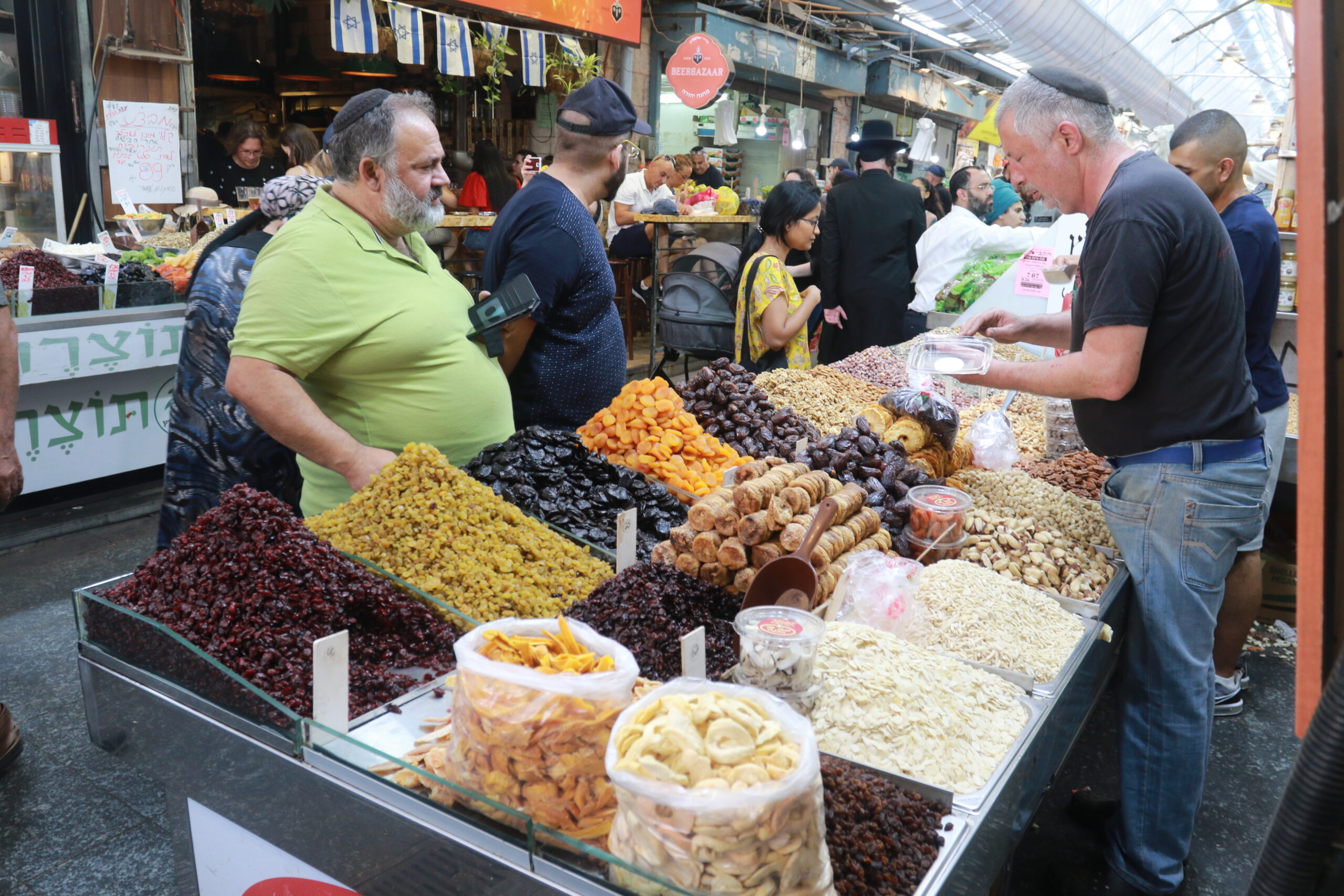
War, what war? Israel’s economy unscathed by conflict

Since 7 October 2023, Israel has been fighting multiple wars. Amazingly, its economy still looks relatively unscathed. An article in the Financial Times, published on 14 July, highlighted some amazing statistics:
- After the 7 October attacks, although it took an initial major knock, the Tel Aviv Stock Exchange recovered quickly in the space of four weeks and since then, is up almost 80% in dollar terms. It’s now one of the best performing major stock markets in the world – ignoring smaller markets like Vietnam. This amazing rise continued throughout the 12-day war with Iran, with the market obviously having faith that the conflict would be short, with Israel prevailing. As the Financial Times states, “Despite all the international criticism of Israel for its military offensives, a surge in foreign buying has fuelled the rally in its stock market”;
- Although it was an extremely poor country when it was founded in 1948 and went through multiple financial crises all the way until the early 1990s, Israel is one of the few countries to have risen from developing to developed ranks. Only 40 out of 200 countries are classified by the International Monetary Fund as developed countries, and Israel is the only country in the Middle East to have achieved this change. In addition, its $550 billion (R9.9 trillion) economy is among the largest 30 in the world, and bigger than countries such as South Africa and European countries such as Greece and Denmark;
- Israel now spends more than 6% of its gross domestic product (GDP) on research and development, more than any other country, and double the global average. What’s interesting is that a high share – about 50% – of that research and development funding comes from foreign multinationals, many involved in defence-related industries. Their work helped create the Iron Dome and interceptor rockets that have been so successful in defending Israel against missiles and drones in recent wars;
- Very importantly, a positive by-product of all the defence-related spending on research and practical innovation is that Israel has become a global leader in fields as diverse as air-traffic control to, most significantly, cyber security. It has more start-ups per head than any other country, and, as the Financial Times article states, it has 73 start-ups in the booming field of generative artificial intelligence, the third largest in the world, with half of its exports being technology products. Even most advanced economies can’t match this, and, of course, most of its neighbours in the Middle East still export mainly oil and gas, and very little of anything hi-tech;
- The shekel has been similarly strong. The US dollar/Israeli shekel exchange rate closed at 3.3988 to the US dollar on 1 August 2025, up 0.22% from the previous session. Although, over the past month, the shekel has weakened 0.94% against the dollar, as have most countries’ currencies against a stronger dollar, it’s still up by 10.15% over the past 12 months;
- But possibly the most important statistic is Israel’s per capita GDP. According to recent statistics, Israel’s nominal per capita GDP was more than $57 000 higher than that of Germany, the United Kingdom, Canada, and France. It has nearly tripled since 2000, and only Qatar in the Middle East has a higher GDP per capita. The United Arab Emirates is lower, at just less than $50 000, with Saudi Arabia, the biggest economy in the Middle East, a lot lower at just more than $30 000.
These statistics, together with economists now projecting Israel’s growth rate at almost 4% in the next few years, are almost miraculous for a nation that has endured – and is still enduring – so much war and destruction since 7 October.
However, all of these impressive statistics come with a caveat. If the European Union and many other countries start imposing sanctions on Israel, given its strained diplomatic position, it will undoubtedly be a game changer, and put much of Israel’s impressive financial achievements over the past quarter of a century at severe risk.
- Baruch The Balanced is an attorney who can’t be named for professional reasons, but who also studied both politics and international relations at university.