Youth
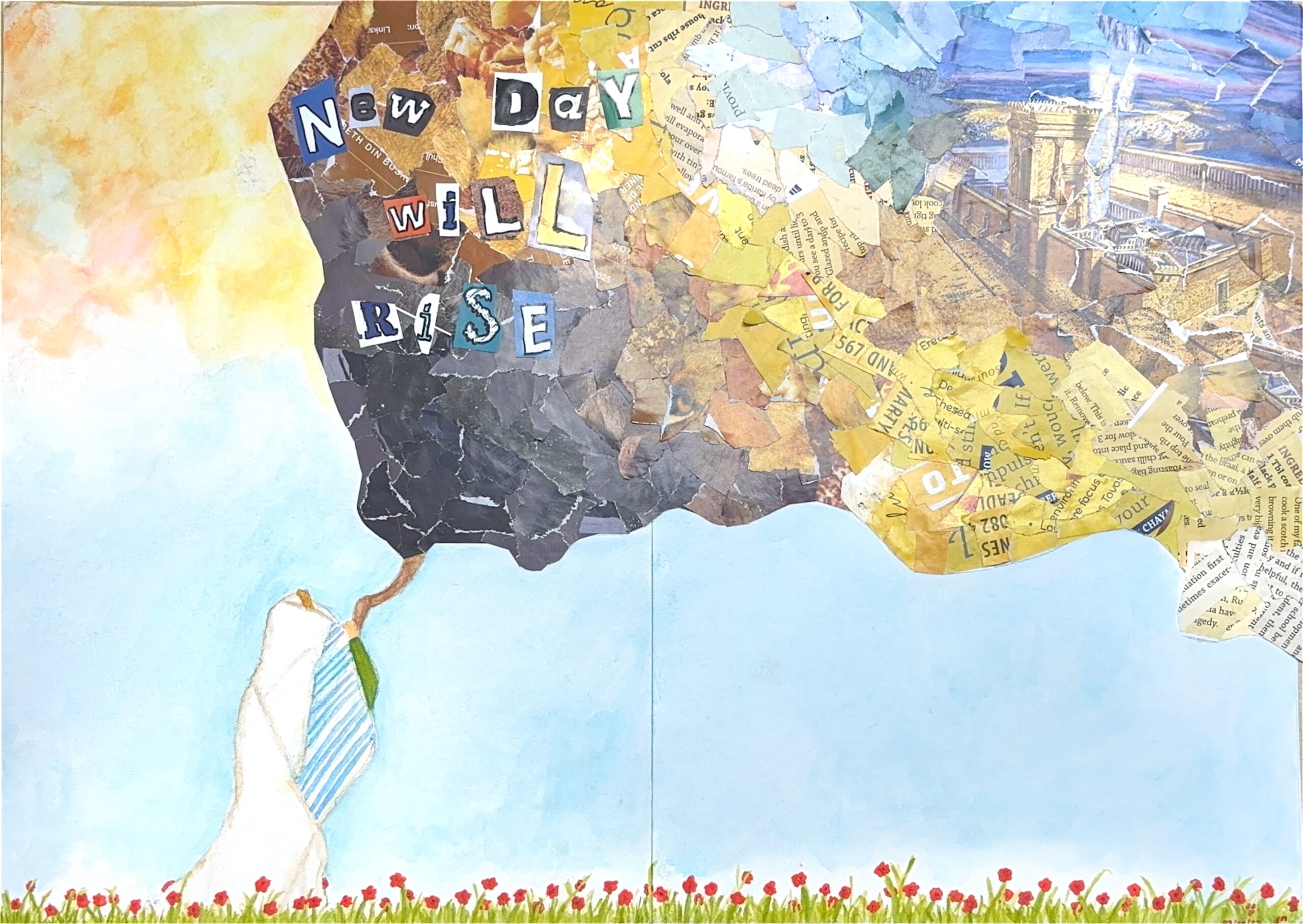
We are young – and still here

Jewish youth share their perspectives on how our Jewish world has changed over the past two years since 7 October 2023, and the impact it has had on the meaning of Rosh Hashanah.
A declaration of survival
Chai Hadar, Grade 8, Torah Academy

Rosh Hashanah marks the beginning of the Jewish calendar, but this year, it carries an even deeper meaning.
Since 7 October 2023, we’ve witnessed a terrifying rise in antisemitism around the world. There are people who march in city centres openly calling for our destruction. But this is nothing new. Throughout history, many have tried to wipe us out: the Egyptians; Persians; Romans; Nazis; and now Hamas. In the words of Mark Twain, each empire has come and gone, yet the Jewish people remain.
Rosh Hashanah is the time when we usher in a new year. For generations, Jews have gathered on the first of Tishrei to hear the blast of the shofar, and to reaffirm our identity, values, and hope in a brighter tomorrow, and our faith in G-d. And we will continue to do so for generations to come.
This year, Rosh Hashanah isn’t just about going to shul or dipping apples in honey. It’s a declaration. Am Yisrael Chai (the nation of Israel lives). In the face of hatred, terror, and violence, we’re still here. They have tried to silence us, to break us, to destroy us. But we have endured. Through pain and loss, we have stood strong, unbreakable and unwavering.
So, when we come to shul this year and hear the sound of the shofar, we’re not only marking the new year, we’re declaring to the world that the Jewish people are alive, and we will continue to live. We will celebrate. We will pray. We will rebuild. And we will welcome another year of Jewish life with pride and strength.
This Rosh Hashanah, we show the world that it tried to destroy us, but we made it through. We celebrate not just survival, but resilience. We welcome a new year filled with hope, renewal, and faith.
May this be the year our hostages return home! May this be the year of peace! May this be the year of redemption! May this be the year that brings us Moshiach!
Shanah tovah! We’re still here. And we always will be. Am Yisrael Chai.
Wishes for a changed world
Yakira Goldman, Grade 10, Cape Town Torah High
Since 7 October, our Jewish world has felt different. Over the past two years, I have seen so much pain: the attacks in Israel; the rise of antisemitism; and the way Jews everywhere suddenly felt less safe. Things I used to take for granted – wearing nice clothes on Shabbos, talking openly about Israel, feeling comfortable in public – now feel complicated.
Because of this, Rosh Hashanah has taken on a deeper meaning. It isn’t just a holiday about apples, honey, and new beginnings anymore. It feels like a time to hold onto our identity with even more strength. To be even more connected to Hashem, my community, and all the Jews around the world. The shofar’s sound reminds me of the voices of Jews everywhere, refusing just to be silent but standing up for their brothers and sisters. Its sound is both a call to return to Hashem and a reminder that we’re part of a story much bigger than ourselves.
This year, I want to experience Rosh Hashanah not just as a personal reset, but as a moment of connection to am Yisrael. I want to daven with more intention, asking Hashem to protect Israel and Jews everywhere, and to bring the hostages home. I want to reflect on how I can bring more light into a world that feels so dark – whether through kindness, learning, or proudly living my Judaism.
Even though the past two years have brought fear and hatred, Rosh Hashanah gives me hope. It reminds me that every year, we get a chance to begin again, to choose life, and to believe in a better future. This year, when I dip the apple in honey, I’ll be praying not just for not a sweet new year for myself, but for sweetness and peace for all of klal Yisrael.
The shofar still calls
Batsheva Bloch, Grade 8, Torah Academy

The world has changed since that dark day,
Hatred rose and did not stay away.
From October’s fire, we still feel the scar,
A reminder of how fragile we are.
Antisemitism whispers, shouts, and spreads,
In streets, in schools, in the words people said.
Sometimes it feels like standing alone,
But history reminds me — this is not unknown.
And yet, Rosh Hashanah comes near once again,
A chance to heal, to begin, to mend.
The shofar’s cry is steady, strong,
It pulls us back where we belong.
Apples in honey, the sweetness we taste,
Remind us that pain is never a waste.
For through the sorrow, we still choose light,
Through every darkness, we still choose right.
To me this year, Rosh Hashanah means more —
It’s not just tradition, it’s what we fight for.
It’s family gathered, it’s faith held tight,
It’s hope that burns through the longest night.
I pray for peace, I pray for rest,
For Israel’s safety, for our world to be blessed.
I pray that kindness will drown out the hate,
That this new year will open a different gate.
The shofar still calls, it has through the years,
Through exile, through struggle, through countless tears.
And every blast reminds us all —
Am Yisrael Chai. We rise, we stand tall.
A time for hope and beauty
Menuchah Mannie, Grade 8, Torah Academy

Social media is a major source of false news or misinformation, especially about the war between Israel and Hamas. Many famous influencers have spread propaganda about it, causing antisemitism among their followers who believe them without fact checking. Even in many homes or schools, teachers and parents share with children biased or misinformation about Jews, making the child grow up to think that Jews are the only problem.
Before, many people didn’t even know that Gaza existed, now many take sides from pure pressure, not from true understanding.
After 7 October, the world changed for many on either side of the conflict. It brought pain and fear. For some Jews or those whose family members were in the army or kept as hostages, Rosh Hashanah, usually a time of happiness and rejoicing, was a time of sadness as they went into another year not seeing their loved ones.
The pain has hung over many people over many Jewish holidays, showing its seriousness as it affects traditions that have been around for centuries.
This coming Rosh Hashanah, we should pray and hope for change for the better. We should not only celebrate a sweet new year, but that these past years of pain and suffering come to an end. That all the families that haven’t been able to celebrate with their loved ones will be able to this year. Let’s hope for meaningful change that will bring peace among our nations.
The sound of the shofar shouldn’t just be a sign for us to do teshuva (repent), but to awaken our souls to see the beauty in the world. Hopefully this new year brings home the innocent to celebrate with their friends. May this Rosh Hashanah herald the coming of Moshiach, bringing us our final redemption filled with light and hope.
A changing spiritual outlook
Carmen Herskovits, Grade 10, King David Linksfield

The approaching Jewish New Year is the second consecutive year marked by a cloud of strain characterised by increasing antisemitism and global tension that started on 7 October. This will make the upcoming high holy days so much more emotional and introspective than before.
The difficult task of combining traditional Rosh Hashanah messages around spiritual awakening or repentance with harsh, modern truths makes this a confusing time for most Jews, regardless of religious observance or political beliefs, whether they be liberal, conservative, Orthodox, secular, right-wing, left-wing, or moderate.
Heightened security at shul is also likely to spark a new wave of intensity – feelings of sadness, fear, anger, and grief, but for some of us, a glimmer of hope too.
This Rosh Hashanah isn’t just a holiday, it’s a test of increased awareness and spiritual strength. In our morally chaotic world, hopefully some Jews are reclaiming Rosh Hashanah as a time to recommit to Jewish morals and values – kindness, justice, peace, and truth. It’s a time when I can feel a deeper sense of connection and responsibility toward Jews in other countries where antisemitism is obvious and violent. In this way, Rosh Hashanah becomes a time not only for personal renewal, but for recommitting to klal Yisrael (the collective Jewish people).
Let us as a Jewish community take this time not just to face the harsh reality of increasing hate and fear, but more positively, focus on our collective beliefs and unity. Our existence may seem fragile, but we have faced persecution many times over, and we kept standing, stronger together. Survival is central to our nation, and this makes the Rosh Hashanah spiritual theme of “return” or “teshuva” more relevant this year. Am Yisrael Chai.