





Lifestyle/Community
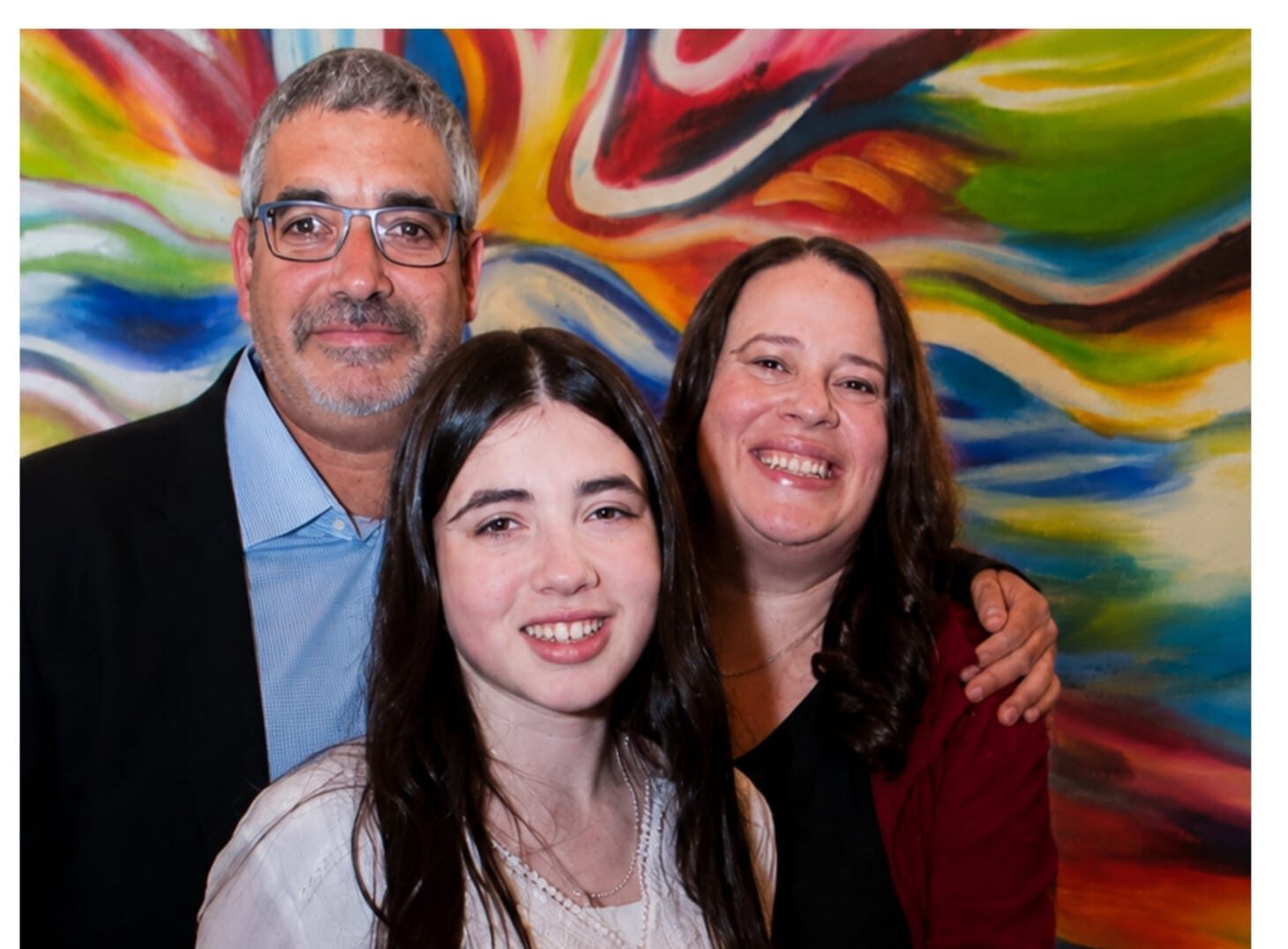
The unexpected kidney diagnosis that changed a life

Just weeks ago, Aviva Zartz considered herself healthy. Then a routine doctor’s visit led to the finding that her kidneys were functioning at just 3%. Within hours, she was rushed to hospital, facing a diagnosis of stage 5 kidney disease and a future dominated by dialysis while waiting for a life-saving transplant.
Today, the Cape Town mother is adjusting to a completely different life. She spends hours each week on dialysis, follows a strict new diet, and faces months of uncertainty before she may be eligible for a kidney transplant.
At the same time, an outpouring of support from family, friends, and strangers has helped carry her through what she describes as the biggest challenge of her life.
Zartz says the ordeal began when she realised she wasn’t feeling okay. “I just wasn’t feeling well, wasn’t feeling myself. I went to the doctor and he looked at me and asked why my eyes were so black underneath and puffy.”
The doctor was also concerned about her very high blood pressure and immediately sent her for blood tests. The results changed everything. “They found out it was my kidneys,” she says.
According to her mother-in-law, Cheryl Weiner, the family received an urgent phone call after the test results became available. “The GP said, ‘I don’t want you to panic, but we’re taking her straight to emergency’,” Weiner recalls. “The blood tests showed her kidneys were functioning at only 3%.”
What followed was a frantic search for treatment. Zartz spent hours in the emergency department before being referred between public hospitals because she didn’t yet have medical aid. Weiner says the family’s anxiety grew when doctors warned that Zartz’s potassium levels had become dangerously high.
“A family member who is a doctor told us that if they didn’t bring it down, she was in trouble,” she says. The family was eventually able to arrange an appointment with a private nephrologist. A dialysis port was inserted urgently, allowing treatment to begin before Zartz’s condition worsened further.
Dialysis is now at the centre of her life. “It’s been good,” she says of the treatment. “Obviously it takes it out of me. It makes me really tired. I just don’t have the energy that I had before. The actual dialysis, you don’t feel anything. It just takes it out of you.”
Her daily routine has changed dramatically. “It’s changed my life. I have a completely new diet. As I said, I just don’t have the energy that I had before.”
The diagnosis has also changed the way she thinks about life. “It makes you think anything can change in a second, which it really has. From being a healthy person, it’s been a huge adjustment.”
Doctors have told Zartz the dialysis is likely to continue for many months. The current expectation is that she may be considered for a kidney transplant around the middle of next year, although the timing remains uncertain.
A successful transplant would mean she would no longer need dialysis, although she understands that much depends on when a suitable kidney becomes available. Finding that kidney is another challenge. Weiner says family members and friends will be undergoing testing to determine whether any of them are compatible donors. If no suitable match is found within their immediate circle, the search will be widened.
For now, the family is focused on helping Zartz manage the months ahead while also navigating the financial pressures that accompany long-term treatment.
Although medical aid has now been arranged, Weiner explains that it came after the initial emergency and that other healthcare costs remain a concern because of waiting periods for certain benefits. Friends and family have launched a BackaBuddy campaign to assist with the ongoing costs of dialysis, specialist appointments, medication, and other treatment while Zartz awaits a transplant.
She says the support she has received throughout the ordeal has been overwhelming. “Without support I don’t know where I would be.”
Encouragement has come from every direction. “Everyone. The outpouring of love has been absolutely phenomenal. It really has. Very unexpected, to be honest.”
Weiner says the response from relatives, friends, and the wider community has given the family hope during an exceptionally difficult period.
For Zartz, the journey has just started. She knows the months ahead will bring more dialysis sessions, medical appointments, and uncertainty. Yet she remains focused on reaching the day when a transplant can offer the possibility of a more normal life. “It’s just the beginning,” she says. “I’ve got a long road ahead of me.”







David W Moskowitz MD, MA(Oxon.), FACP
July 16, 2026 at 6:38 pm
Asking for a living kidney donor is like sending a single rowboat to the Titanic. Every year 2 million people go on dialysis like Aviva while less than 50,000 living kidney transplants are performed. Three times as many cadaver kidneys (from a deceased person) are transplanted.
Fortunately, it’s been possible since March, 1994 to prevent 90% of dialysis. This requires far better screening for high blood pressure and diabetes, since these two diseases are often silent, as is kidney failure until the very end. High dose quinapril is the magic protocol (1). Even late stage disease can be halted (2). The other 10% of patients with kidney failure, like Aviva, could all get a kidney transplant, given current numbers.
The first step is finding the 800 million people in the world with high blood pressure and putting them on high dose quinapril so that Aviva wouldn’t have to wait long for her cadaver kidney.
1. https://genomed.com/pdf/diabetes.technology.therapeutics.pdf
2. https://southfloridahospitalnews.com/a-grateful-journey-how-dr-david-w-moskowitz-helped-a-patient-avoid-dialysis-and-reclaim-her-life/