OpEds
Sugihara the hero, and the sporting mouse that roared

It’s the greatest show on earth, featuring the world’s most popular sport and five billion television viewers. The participants this year incorporate an extraordinary tale of courage, humanity, and one of the most remarkable escape sagas of the Holocaust.
We’re talking the Fifa World Cup, of course, which is well under way. And the remarkable escape saga? It’s about the minuscule Dutch island of Curaçao, located in the Caribbean off the coast of Venezuela.
With a population numbering just 156 000, Curaçao wrote one of the most sensational underdog stories in the history of sport when its soccer team became the smallest nation to qualify for the 2026 World Cup. And incredibly, the island served as a fragile pathway that unlocked a dramatic escape route for thousands of people fleeing the German Army during World War II.
So let’s go back to 1940s Kaunas, Lithuania, which was under the control of the Soviet Union. Nazi Germany has overrun much of Western Europe, inflicting cruel measures against the Jewish communities in its path and signalling the beginning of the Holocaust.
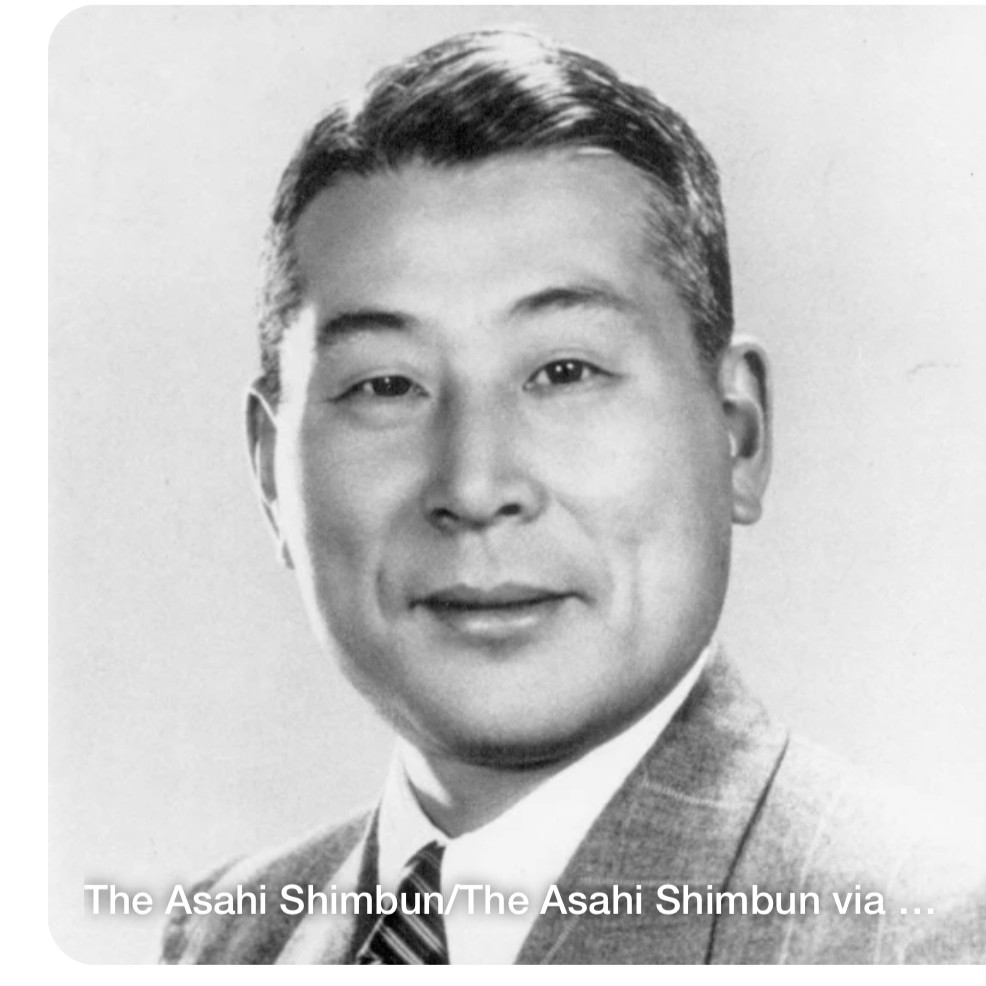
Diplomat Chiune Sugihara runs a tiny Japanese consulate in Kaunas, supported by his wife, Yukiko, and clerical staff. German forces are approaching and exit routes out of the Soviet Union are closing, which means the situation for the Jews of Europe is dire.
Word gets out that a lifeline may be at hand. Early one morning, before the consulate has opened, Sugihara hears unusual murmuring noises outside the building and is taken aback to discover thousands of people lined up in the street, suitcases packed. They are Russian Jews, come to apply for visas to enable them to flee the Soviet Union.
Sugihara sends a message to the Japanese Foreign Ministry, requesting authorisation to grant the visas. The response is swift: permission denied, unless the applicants meet certain criteria. Most do not. Sugihara submits a second request; identical response. His third request elicits an unambiguous instruction ‒ close the consulate and return to Japan.
Sugihara has a dilemma: to follow his orders or to follow his conscience. Obey his superiors’ command or act on what he knows instinctively to be the right response. He wrestles with both options and reaches a decision. Risking diplomatic disgrace and his career, he spends the next six weeks at his desk for up to 18 hours a day, writing visas by hand until he can no longer hold a pen, affixing his official stamp, and naming Curaçao as the travellers’ destination. This will enable them to cross the Soviet Union on the trans-Siberian railway.
The rationale for specifying Curaçao as the end-goal is that the honorary Dutch consul in Kaunas, Jan Zwartendijk, has made it known that one can access the island without a visa, even though its governor might need to grant approval. It’s a legitimate gateway, without which thousands will be at the mercy of the German Army.
Sugihara seizes on the bureaucratic loophole and issues an estimated 6 000 visas, even though entry to Curaçao is not guaranteed and even though few of the visa-holders intend going there. He reportedly keeps writing visas as he is literally vacating his post, throwing life-saving scraps of paper to desperate refugees as his train leaves the station.
The refugees undertake the daunting journey across Siberia, some families splitting up, anxious that at least some members should survive. A large number settle in Shanghai, which is under Japanese control and where they spend the war years in crowded ghettos. Some go on to the United States or Israel (then called Palestine), while a few do settle in Curaçao, which is home to a tiny Jewish community and houses oil refineries that are crucial to Allied supplies and a target for German submarines.
Most never set foot on Curaçao, yet all owed their lives to documents that named it as their destination. Zwartendijk authorised 2 345 visas and he and Sugihara were both subsequently declared Righteous Among The Nations by the Yad Vashem Holocaust Museum in Jerusalem.
It is estimated that the descendants of the Curaçao visa recipients currently number 40 000. Some reside in Australia, every one of them beneficiaries of the extraordinary courage and rare humanity of two men who refused to look away.
- Dr Vic Alhadeff OAM is former chairperson of Multicultural NSW and former chief executive of the New South Wales Jewish Board of Deputies in Sydney, Australia.