





OpEds
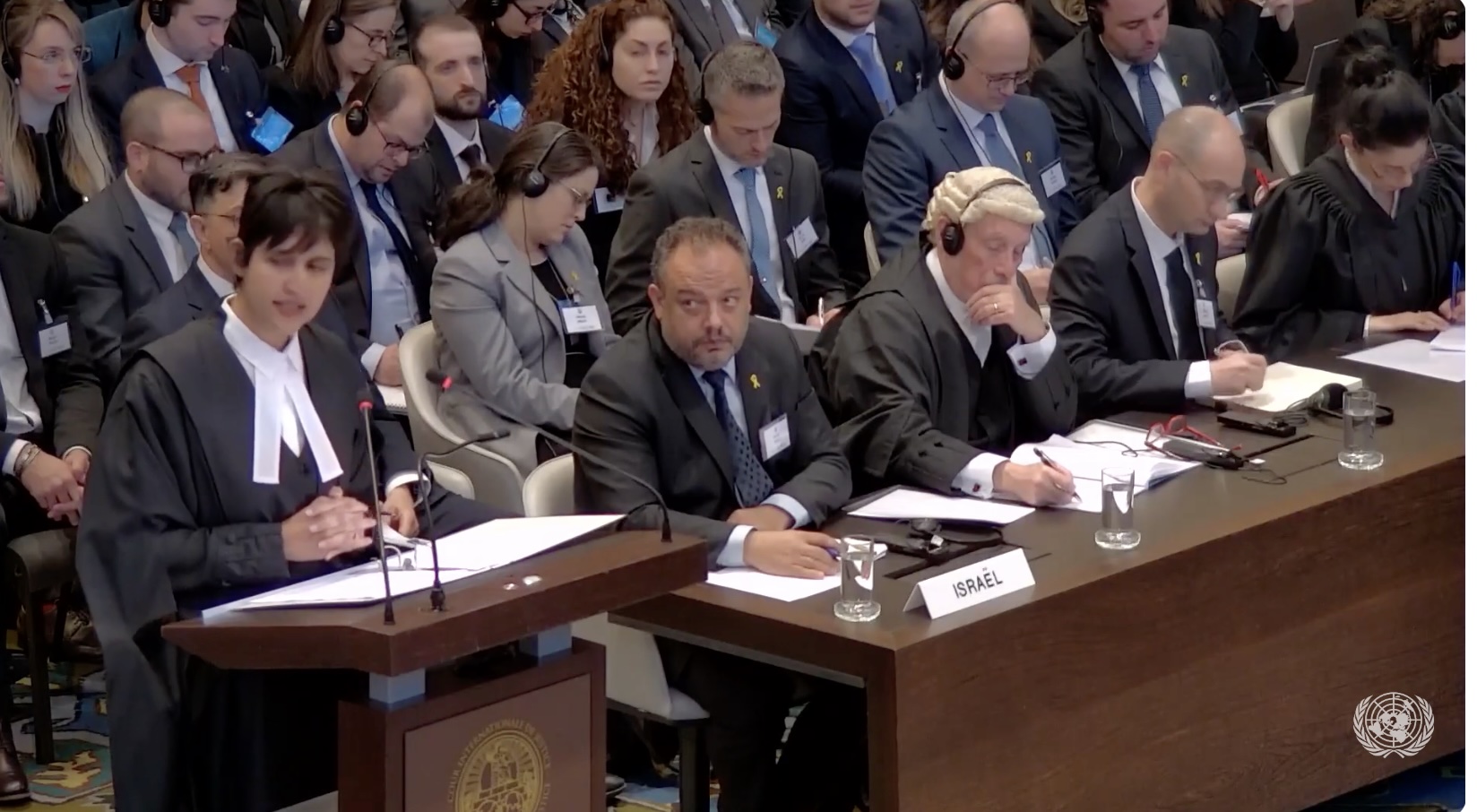
The enormous cost of SA’s ‘genocide’ case

I was born in South Africa. In 1986 the Security Police arrested me for anti-apartheid activity, and I left.
I write now from California, as an American, a Jew, and a South African by birth. I am watching the country that arrested me for fighting apartheid invoke the Genocide Convention to protect Hamas and Iran. It is spending money it doesn’t have, burning relationships it cannot replace, and consuming diplomatic capital it took decades to build, to prosecute a fraudulent genocide case against the only Jewish State.
Consider the bill. Not the legal bill, though that too comes from public money, but the one paid in clinics, jobs, trade access, and the safety of African migrants on South African streets.
In February 2025, US President Donald Trump signed an executive order cutting aid to South Africa. The order cited several grievances, among them Pretoria’s decision to accuse Israel, not Hamas, of “genocide” at the International Court of Justice (ICJ).
The connection was not incidental. Washington said so.
The President’s Emergency Plan for AIDS Relief (Pepfar) was disrupted. South Africa has roughly eight million people living with HIV, the largest such population on earth, and had received more than $8 billion through the programme. The Trump administration now plans to wind it down and close it by early next year.
UNAIDS reported that about 40 health projects funded by the US Agency for International Development received termination letters on 26 February 2025, halting services from roughly 8 493 Pepfar-funded staff. Testing fell, treatment support collapsed, and the cuts struck the people least able to absorb another failure.
Pretoria then celebrated a six-month R2 billion bridge plan as if temporary resuscitation were a victory. Its own Cabinet confirmed it ran only from 1 October 2025 to 31 March 2026.
That is not stability. That is a ventilator.
The African Growth and Opportunity Act (Agoa) tells the same story. The trade programme expired on 30 September last year, revived only by a retroactive one-year extension in February that runs until 31 December 2026. South Africa didn’t secure a future. It received a reprieve.
The diplomatic bill is no smaller. The US expelled and declared South African ambassador Ebrahim Rasool persona non grata in March 2025. It also expelled Los Angeles Consul General Thandile Sunduza. In July 2025, the US-SA Bilateral Relations Review Act advanced through the House Foreign Affairs Committee, calling for a full review and for identifying officials and African National Congress (ANC) leaders eligible for sanctions.
No names yet. But the warning was clear. Those who turned The Hague into a stage may find that Washington has doors too, and that doors shut.
Now, look at what South Africa’s case produced. Israel filed its counter-memorial to the ICJ case in March 2026. South Africa has until November 2027 to reply, and Israel until May 2029 to file its rejoinder. Oral hearings on the merits, if they come, are years away.
Meanwhile South Africans need medicine, jobs, certainty, and safety now.
The ANC didn’t bring this case to protect Palestinians. It brought it to perform moral authority after squandering its own at home. The ICJ isn’t justice. It’s theatre with a filing stamp.
The hypocrisy is no longer theoretical. While Pretoria invokes the Genocide Convention in The Hague, vigilantes hunt African migrants at home. Human Rights Watch reported that a movement calling itself March and March staged demonstrations against undocumented migrants in Pretoria, Johannesburg, and Durban in April and May, with violent and sometimes fatal results, and insufficient police response. Anti-migrant groups have set a 30 June deadline for foreigners to leave. President Cyril Ramaphosa warned South Africans not to scapegoat migrants for the country’s failures.
He was right. He was also indicting his own government.
Zimbabweans, Mozambicans, Malawians, Nigerians, Ghanaians, and Ethiopians came because South Africa was supposed to be the continent’s promise. They are being beaten, looted, threatened, and repatriated while Pretoria lectures Israel about “genocide”.
The ANC scapegoats Israel in The Hague for the same reason vigilantes scapegoat migrants in Durban. The machine has run out of explanations. It needs enemies.
South African Jews know this pattern. We know what happens when governments manufacture external villains to explain domestic failure. We know how fast moral language becomes camouflage, and how easily “justice” becomes a weapon aimed at Jews.
What did South Africa get for this case?
Name the Palestinian life saved by Pretoria’s filing. Name the hostage freed. Name the ceasefire secured. Name the child fed.
Now name the South African cost. Pepfar damaged. Agoa unstable. Washington alienated. The ambassador expelled. Sanctions language moving through Congress. HIV services disrupted. African migrants terrorised while the government poses as the moral conscience of the Global South.
I was born in South Africa. I love it the complicated way you love a country that shaped you and then arrested you for caring about it. I want the Jewish community there to thrive. I want South Africans with HIV to live, and migrants in Durban to be safe. I want the country of my birth to stop confusing performance with morality.
None of that is served by the ICJ case. Not one clinic. Not one job. Not one migrant. Not one hostage.
The bill is real. The result is theatre. And ordinary South Africans are paying for both.
- Grant Gochin is the Emeritus Special Envoy for Diaspora Affairs for the African Union. He has spent more than 20 years documenting and restoring signs of Jewish life in Lithuania, and challenged Holocaust revisionism within the Lithuanian government. Gochin is author of Malice, Murder and Manipulation, which documents his family’s oppression in that country.




Mark Wade
June 25, 2026 at 7:09 pm
Not forgetting that Joan Donahue, the presiding ICJ judge when the ANC brought genocide charges against Israel, as well as Karim Khan, the ICC Chief Prosecutor, have both denied that any evidence against Israel exists. Further, this begs the question why the ICJ was prepared to proceed with the charges against Israel when ‘no compelling evidence’ existed.