OpEds
SA’s pandemic of hate and our responsibility to act

“Every morning, when you wake up, you see a traumatising video telling people that they’re going to kill you before 30 June. When people say they’re going to kill you, you can’t sleep.”
Those words belong to Tino Maclean, who has been assisting Zimbabwean nationals fleeing the wave of vigilante violence sweeping KwaZulu-Natal (KZN) and was recently interviewed by AFP. He is one voice among thousands. There is the 43-year-old Cameroonian shop owner in Durban who built his business here over nearly two decades, only to watch 10 men break down his locked door during April protests, confiscate his goods, and destroy in minutes what took him 20 years to build. There is the Congolese mother who hasn’t left her home in weeks, too terrified to step outside, and the Somali trader whose shop was looted and then set alight. The Malawian domestic worker dismissed on the spot by an employer frightened of the mob gathering at the gate.
These are not abstract stories; these people are our neighbours. What is being done to them on the streets of KZN, and quickly spreading across South Africa, is a humanitarian crisis that demands we name it for the hate that it is ‒ and that we act.
This disaster did not begin overnight. South African society has long had a dark undercurrent of xenophobia and Afrophobia bubbling just beneath the surface. This recent wave began building, step by deliberate step, over the past few years when vigilante groups began blockading government hospitals and clinics across KZN and Gauteng, demanding to see South African identity books before allowing entry. Pregnant women, mothers with sick babies, the elderly, all were turned away despite their right to healthcare being protected by our Constitution. This was just the opening act of what activists on the frontlines call medical xenophobia, and what we warned at the time would not end there.
Sadly, it didn’t.
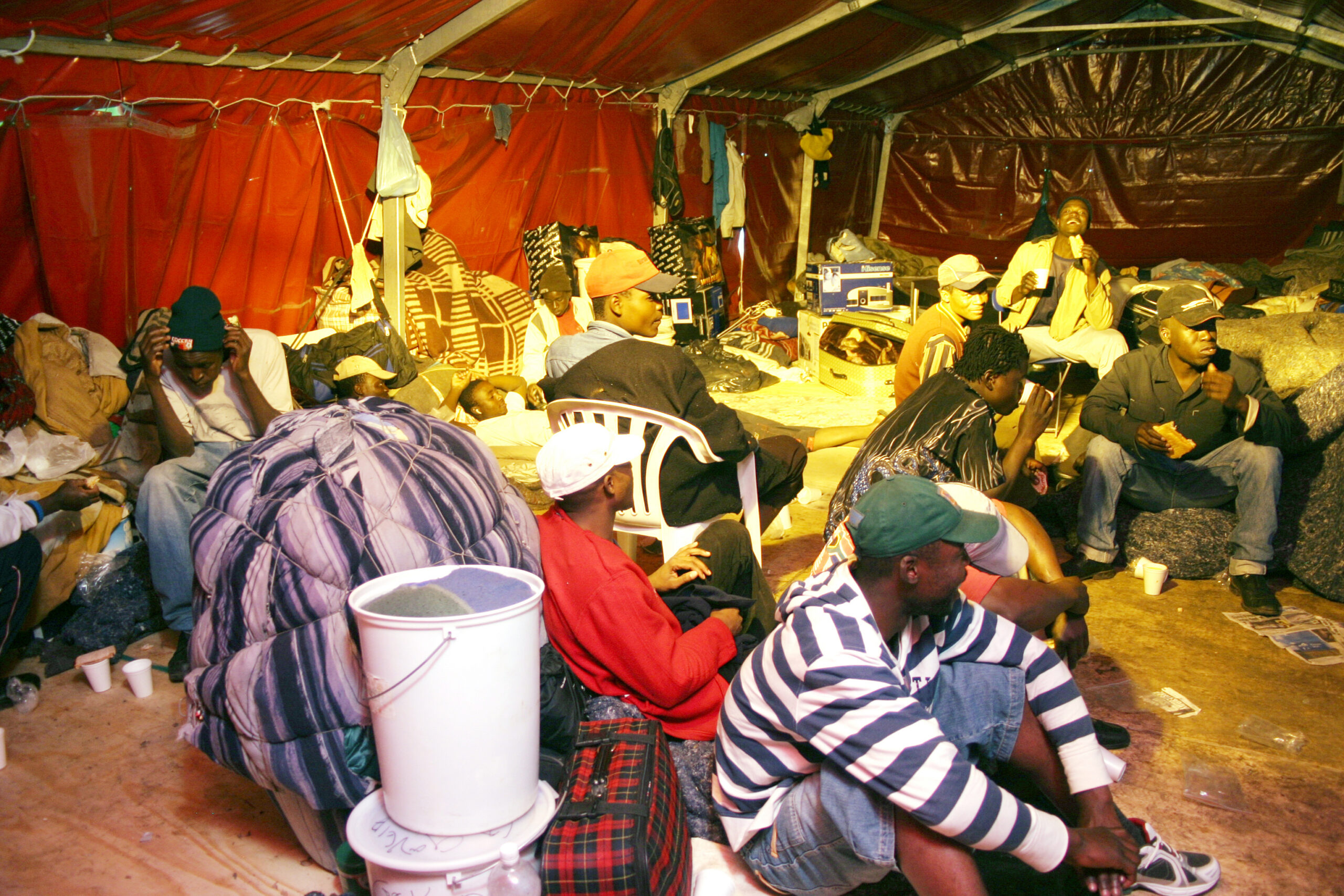
In January this year anti-immigrant vigilante groups blockaded schools in KZN and foreign national children were denied entry. Then came the March for March movement and its organised protests snaking through our central business districts, and entering places of work to demand that employers dismiss all foreign national staff or face the consequences. Now the violence has moved into people’s homes. I’ve had numerous frightened refugee community leaders approach me to share that photographs of them and their families, as well as their home addresses, are being shared in WhatsApp groups and on social media pages calling for retribution against them. Just a few weeks ago, a group of refugees and asylum seekers were so scared of attacks that they sought safety outside the Durban Central Police Station only to be dispersed with rubber bullets and tear gas. After sleeping on the street outside the Diakonia Centre and Durban Refugee Reception Office, they were taken to the Department of Home Affairs. eThekwini officials say that the overwhelming majority were found to have valid documentation allowing them to live and work in the country.
The heart of this violent movement was never about documentation. It was never about being tough on crime or protecting jobs for South Africans. The targeting of people who have papers and have built their lives here lawfully exposes the lie at the heart of this campaign. Hatred does not check your permit.
What distinguishes the current wave of xenophobia from previous years is its sophisticated and coordinated use of social media to manufacture fear, create division, spread disinformation, and translate words of hate into organised physical action in real time. These anti-immigrant groups have imposed a 30 June deadline on foreign nationals to leave the country. This has no legal basis whatsoever.
Many of the claims driving this campaign have been repeatedly debunked. Studies show that migrants contribute to our economy rather than drain it. Our health and education systems are indeed under strain and have been failing for years, but that failure belongs squarely at the foot of government and not at the door of a single mother from Congo. The current state of our refugee and asylum system makes it incredibly difficult for foreign nationals, many fleeing horrific conflicts and already deeply traumatised, to apply and be granted asylum or refugee papers. Unfortunately, facts have no traction when hatred has a hashtag.
South African Jewry descends largely from people who fled ‒ Lithuanian Jews who escaped persecution, pogroms, and poverty, who arrived in a country that did not always want them, and who were accused of taking jobs, flooding services, and refusing to assimilate. Our community was built by strangers seeking refuge. So, when mobs march through our streets demanding to see papers and deciding who can stay, when people are hunted in their homes and told they do not belong, we recognise the chilling pattern.
South African Jews haven’t stood on the sidelines since xenophobic violence first erupted at scale in 2008. Our community has consistently spoken out, supported civil society and government initiatives to seek solutions, and been at the forefront of founding groups like the Hate Crimes Working Group to build a more just response to all forms of hate in this country.
When HIAS South Africa opened its national office in Durban in October 2023, it was an expression of that commitment. The international Jewish humanitarian agency that stands for a world in which forcibly displaced persons find welcome, safety, and opportunity, HIAS is rooted in the Jewish values of tzedek (justice) and tikkun olam (repairing the world). HIAS South Africa has worked with its local partners to provide free legal assistance to refugees and asylum seekers; run attorney training workshops and “know your rights” campaigns; run mental health and psychosocial support workshops to uplift refugee women, youth and LGBTQIA+ refugees; and helped advocate against xenophobia. Here in Durban, at the epicentre of this crisis, that work has never mattered more.
In recent weeks, the South African Jewish Board of Deputies KwaZulu-Natal Council has partnered with HIAS South Africa on an emergency fundraising campaign, raising money for food parcels to be distributed through refugee-led organisations to refugee and asylum-seeker families in desperate need.
The 30 June deadline is days away. Here is what each of us can do:
- Donate to refugee organisations like HIAS South Africa that are working at the coalface of the crisis. Every rand makes a difference.
- Speak out. Write to your municipal councillor and mayor to ask what they are doing to clamp down on vigilante action and assist those affected by xenophobia.
- Challenge the lies. When you hear someone claim that foreign nationals are flooding services or stealing jobs, push back with facts.
Tino Maclean cannot sleep. The Cameroonian shop owner is rebuilding from rubble. The Congolese mother is still inside her home, waiting.
This is no longer about what could happen if hate goes unchecked. It is about what is already happening. And all South Africans are responsible for taking a stand.
- Alana Pugh-Jones Baranov is the country director of HIAS South Africa and president of the South African Jewish Board of Deputies KwaZulu-Natal Council. She is a steering committee member of the World Jewish Congress Jewish Diplomatic Corps. To learn more about HIAS South Africa, visit its Facebook page at https://web.facebook.com/hiassouthafrica/