SA
Wits ranks No. 1 in Africa, joins global top 200

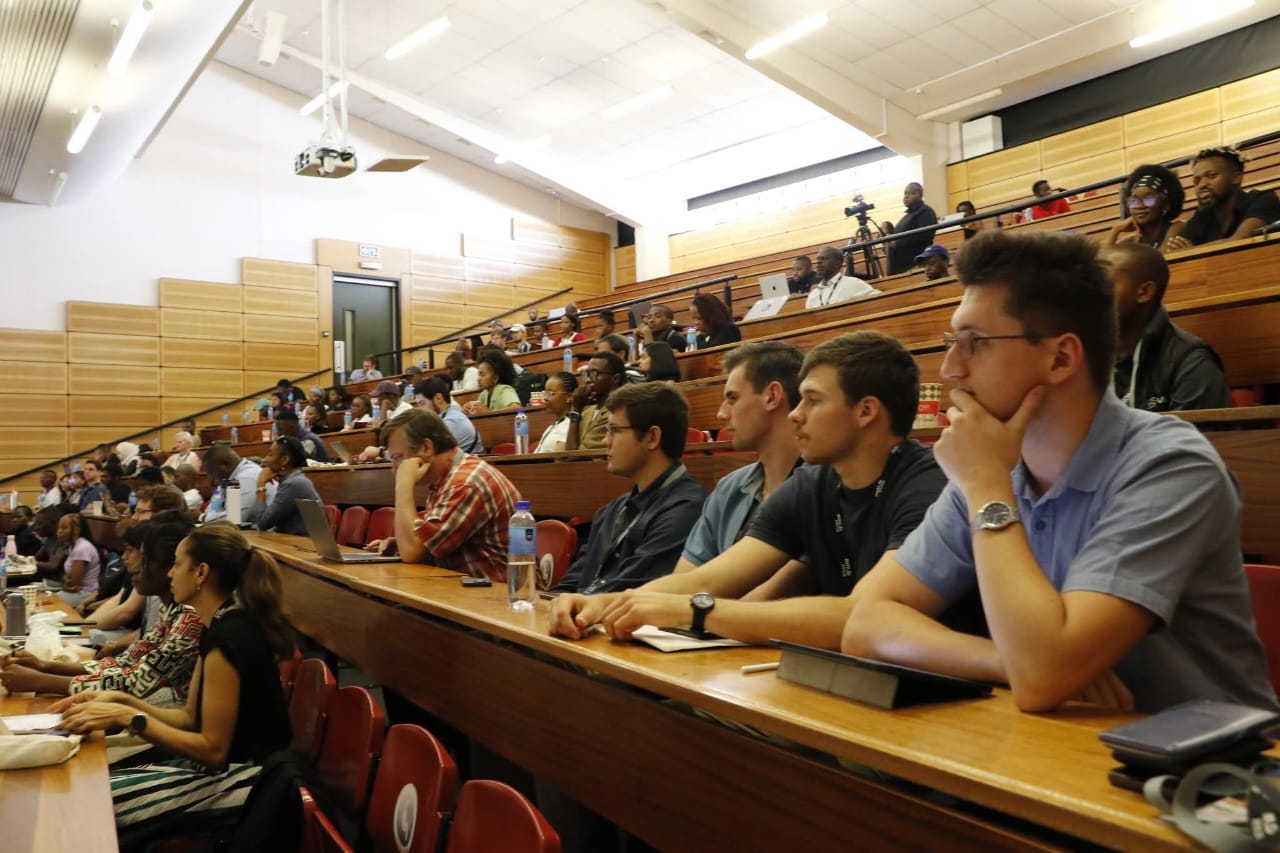
The University of the Witwatersrand (Wits) has achieved a milestone that places it at the forefront of higher education on the continent and in the top 1% of universities worldwide.
It has ranked first in Africa and 200th globally in the 2026 Center for World University Rankings (CWUR).
The achievement has generated excitement among alumni, academics, and supporters of the university. Many see it as recognition of years of investment in teaching, research, innovation, and leadership.
The CWUR rankings assessed 21 291 universities around the world on education, graduate employability, faculty achievements, and research performance. Unlike some ranking systems, CWUR relies on outcome-based measures rather than surveys and institutional submissions.
Professor Zeblon Vilakazi, vice-chancellor and principal of Wits, said the ranking was an important achievement despite ongoing debates about university rankings in general.
“We are proud that Wits has earned its place in this ranking. Being ranked number one in Africa and among the top 1% globally is a testament to the collective excellence, resilience, and ambition of our students, staff, alumni, donors, and partners.”
One of the strongest aspects of Wits’s performance was graduate employability. It achieved an employability ranking of 97 globally, highlighting the success of its former students in the international job market.
Its faculty ranking of 87 reflected the standing of its academic staff and researchers.
The university pointed to achievements in fields including artificial intelligence (AI), quantum technologies, infectious diseases, climate change, and inequality research.
Among those helping to strengthen Wits’s reputation in the rapidly growing field of AI is entrepreneur and technology leader Professor Benji Rosman. “This is a wonderful affirmation of Wits’s excellence, ambition, and impact,” he said of the CWUR ranking. “In fields such as AI, we have become a distinctive centre of mass in Africa, combining world-class research with a deep commitment to solving problems that matter.”
Rosman said the recognition highlighted not only the university’s current standing. “This ranking recognises not just what Wits has achieved, but the momentum we are building for the future.”
Arnold Basserabie, chairperson of the Wits Board of Governors, described the ranking as a reflection of strong leadership and institutional commitment. “I am proud of this objective ranking achieved by Wits,” he told the SA Jewish Report. “It’s a testament to the commitment and motivation of the Wits team under its strong leadership, which is now bearing fruit as reflected in these results and achievements.”
For many alumni, the ranking represents more than a number on a global list. It reflects their connection to an institution that has shaped generations of South Africans and played a significant role in the country’s academic and professional life.
Businessman Doug Smollan said the recognition was “well deserved”.
“Wits has been developing over the years almost under the radar,” he said. “So many alumni don’t recognise the greatness of this university today.” Smollan praised the university’s achievements in academics, science, innovation, and sport. He described Vilakazi as “an amazing human being” and “a leader of note”.
Smollan encouraged alumni to become more involved with the institution and support its future development. His own relationship with Wits spans more than five decades, with he and his wife having met while studying there and both remaining closely connected to the university.
Charles Goldstuck, another alumnus and current PhD candidate, said the result should not come as a surprise given the university’s long-standing reputation. “Wits has always represented the highest standards in the academic world, and has continued to do so through the decades,” he said.
Goldstuck credited Vilakazi and his leadership team for Wits’s continued progress. “His leadership is absolutely inspirational,” he said. “As a Witsie now living in the broader world, I can only look on with awe as he and his team keep driving the university forward.”
Professor Karen Milner, chairperson of the South African Jewish Board of Deputies, said, “Wits’s achievement in obtaining the number one ranking in South Africa in this survey is a tremendous source of pride for me as an alumnus and staff member.”
Milner said the recognition reinforced the prestige associated with a Wits qualification and highlighted the opportunities available to graduates. “My children were both third-generation Witsies and it’s amazing for all the young graduates that a Wits degree has such prestige.”
At the same time, Milner cautioned that rankings were only one measure of a university’s quality. “Rankings are not the be all and end all of quality in a university, but they certainly have a role,” she said. She also pointed out that several South African universities performed strongly in international rankings, reflecting the overall strength of the country’s higher education sector.
The ranking comes shortly after another major recognition for the university. Wits was recently named the leading university in sub-Saharan Africa for innovation performance in the 2025 Global Innovation Index. The index measures how effectively institutions convert research and knowledge into economic and social impact.
For supporters of the institution, the significance of this moment extends beyond rankings. The result places a South African university at the top of Africa and among the world’s leading institutions. It also reinforces the role local universities continue to play in advancing knowledge, developing skilled graduates, and contributing solutions to some of society’s most pressing challenges.
As competition among universities becomes increasingly global, Wits’s rise to first place in Africa marks an important moment not only for the institution but also for South African higher education.